The terrible, horrible, no good, very bad ICW trip

After all of our hard work and successful boat projects, Capt. Mike and I were feeling pretty proud of ourselves, and happy to have untied the lines a few days ahead of our 1 Nov goal. Our trip from Brunswick to Stuart, FL started out great with a peaceful anchorage at Cumberland Island and a celebratory glass of tawny port, thanks to our friends Ann and Frank 🥂

We arrived in St Augustine in time on a Friday afternoon to pick up our sails from the Irish Sail Lady’s loft before she closed for the weekend. A sailing couple we’d never met before offered to pick us up with the sails and drive us back to the marina – how nice is that? But then things went downhill… Capt. Mike got sick in St Augustine and spent a few days laid up on the boat. We had to cancel our plans to meet friends over the weekend and it was days before he felt well enough to put the sails back up. We extended our stay on a ball in St Augustine Municipal Marina until he felt better and finally continued south – then things really got dicey!

Timing the bascule bridges on the ICW

Anchored in Rockhouse Creek, I guess we got a bit too complacent about our beast of an anchor. We had motored down the ICW from sunrise to sunset, dropped anchor, and I quickly wrangled up a pasta dinner. Just as we started to relax and eat, the anchor alarm blared. Sometimes it’s a false alarm, but not this time – the track of our boat on the little display map was showing a long straight line outside the circle and off to the edge of the screen. Yikes! We were dragging! We rushed back out to the cockpit, started the motor and had to figure out how to re-anchor in the dark without running around on all the shoals and sandbars around us. The anchor had somehow fouled the shaft in its own anchor chain, all wrapped around itself as tidal current fought against wind direction, creating a real mess to put to rights in the dark.

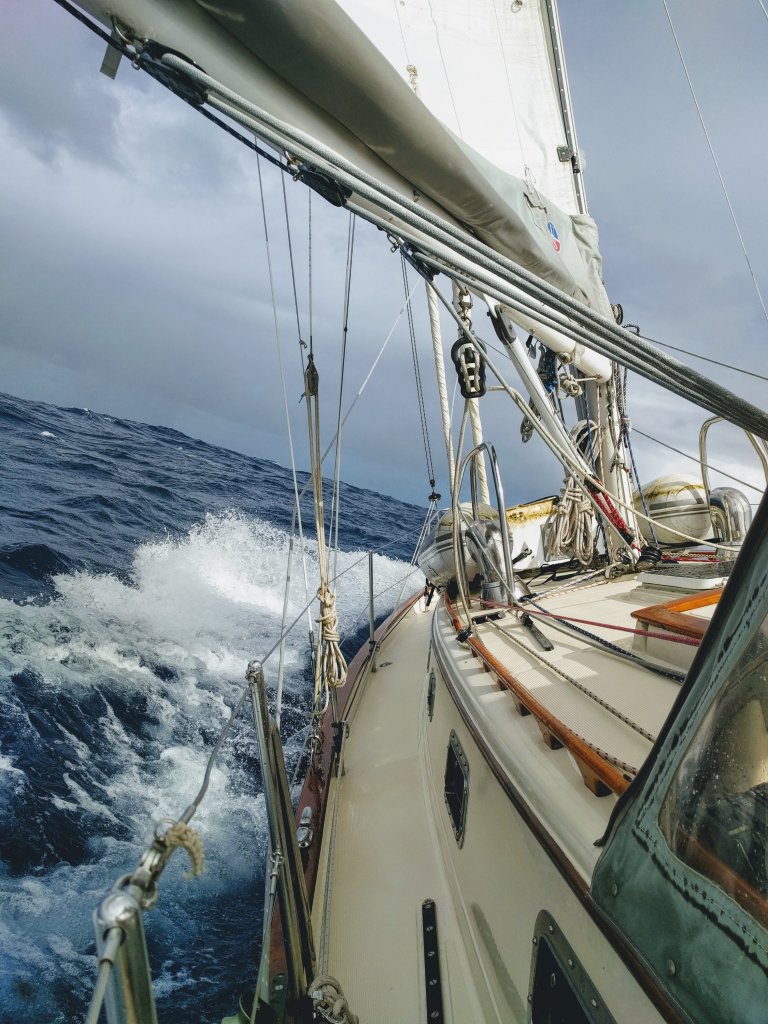
After an uneasy night of sleeping with one ear open for the alarm to go off again, we continued south, finally in a wide enough section of the ICW that we could put out some sail. Winds were about 25 kts from the north and it was a bit rough, even inside the ICW. At one point I heard Capt. Mike say “Huh.” and when I gave him a questioning look, he said “look near the top of the mainsail and tell me what you see.” I said, “I see daylight coming through. That’s not good.” Remember I mentioned picking up our newly repaired sails in St Augustine? Well just a couple of days later and on our first time using them, we’d ripped our main.

We also had a tough time with the bridges on the Daytona Beach section of the ICW. Fixed bridges are supposed to be 65 feet high to accommodate most masts. But with king tides and winds from the north, water was stacking up in this long section with little access to inlets to the sea. We saw bridge boards reading as low as 61 to 62 feet. We aren’t completely comfortable yet with exactly how high our mast is, especially once you factor in the wind instruments and VHF radio antenna. Other sailboats hailed us on the radio and told us they planned to anchor north of the Seabreeze bridges until high tide. We anchored too, to look at the tide tables and to estimate our mast height. With low tide not until 11:30 at night, we decided to go for it anyway, putting out sails to heel us over as much as possible to get a little extra room. We made it, but it made for a nerve wracking day, and we later learned that one of the two anchored boats at Seabreeze damaged their forestay on one of the bridges and had to haul out for repairs.

My notes on a long day of low bridges

I “celebrated” my birthday on this section of the ICW when we anchored near the Ft Pierce inlet. The Captain surprised me with a margarita after we anchored and I sipped it while reading a book as Capt. Mike got ready to test the new watermaker for the first time. He started the generator, started the water maker, and cheered “It’s working! It’s working!” Then as he came up to the cockpit to celebrate, he changed his tune to “Wait. What’s that horrible burning smell? Shut it all down!” After some investigation, he found a seriously melted part on our nearly new generator. He spent the rest of my birthday evening in the cockpit lazarette grumbling about how he was just going to stay there and cry 😭
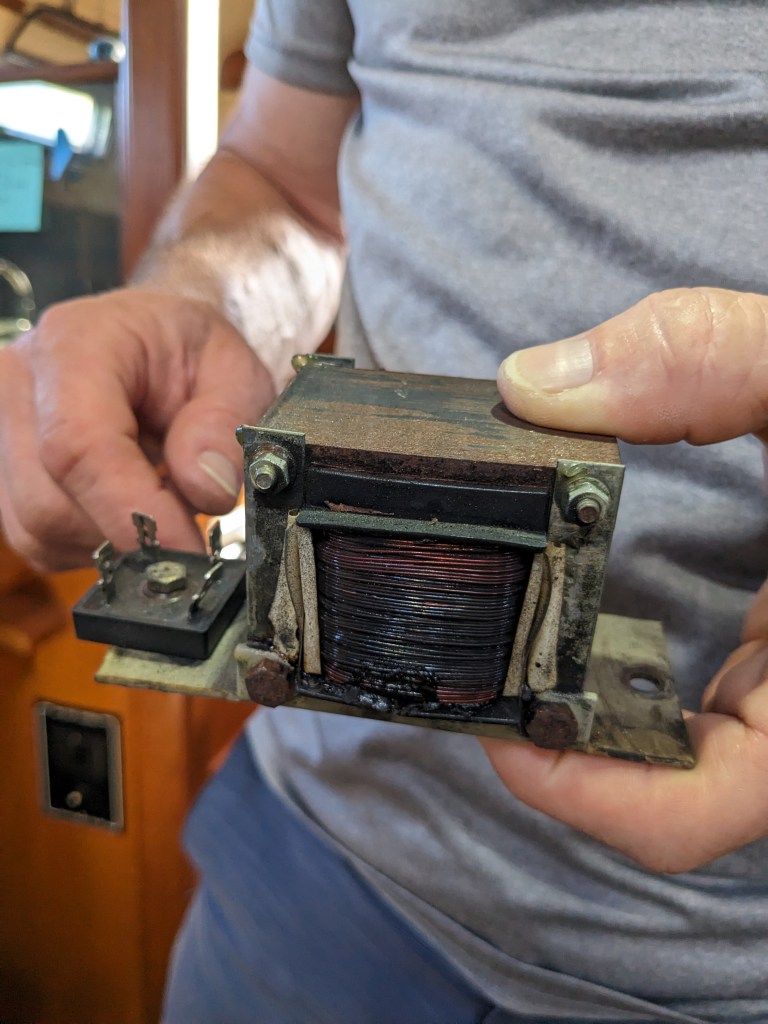
The melted generator part

We limped the rest of the way to Stuart, FL the next day, attempting to troubleshoot our autopilot. It worked pretty well to turn it on, set a course heading, and to let the autopilot take the helm. But every time we tried to go back to standby and take control away from the autopilot, it wouldn’t give up control easily. Whoever was at the helm would have no control of the wheel for some time between two seconds and fifteen seconds until the clutch would finally release and give us control. That might not sound like a lot of time but if there’s a fast boat coming toward you, or if you are heading outside the dredged channel toward a shoal, it feels like forever. Add that to the list of things we’ll have to repair before leaving Florida for The Bahamas.
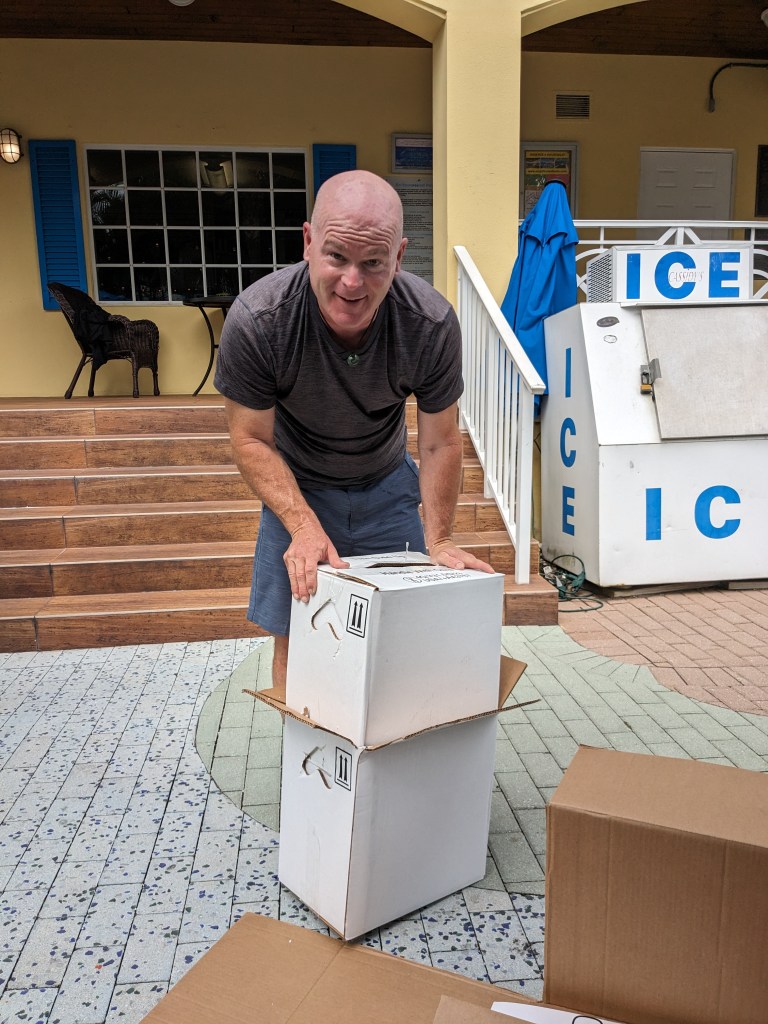
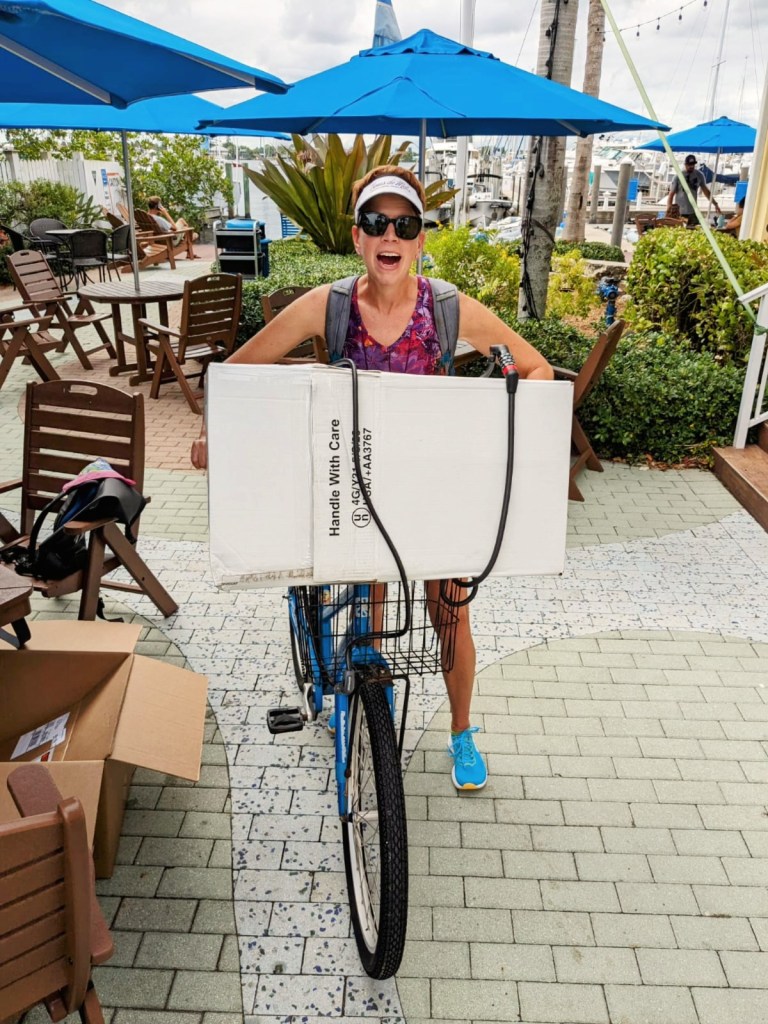
Making a box for the autopilot arm
Bringing the box to UPS

So in about a week we went from thinking we were done with all our boat projects and just needed to wait for a weather window to cross to the Bahamas, to having a long list of expensive repairs that all felt like must-dos before leaving the States. Sigh. I know. “That’s boat life.” But somehow it felt pretty depressing. At least we are more in a safe place with lots of marine services and the ability to order parts. I’m sure it’ll all look better soon.
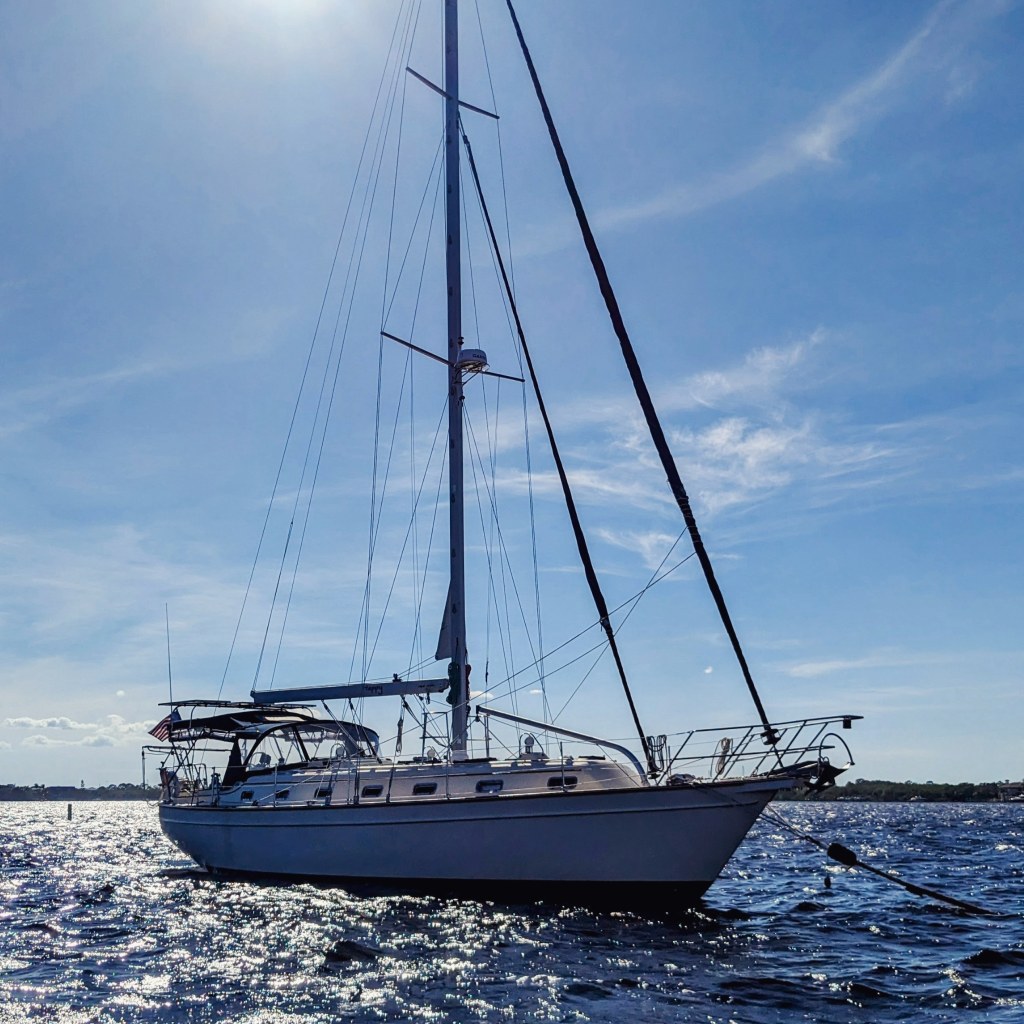
Safe on a mooring ball at Sunset Bay Marina

Back to the Boat!

International travel is possible again, but you’ve really gotta want it

After our epic Long Trail backpacking adventure, Mike and I spent a few more weeks visiting family and attending the Annapolis Sailboat Show and then, suddenly, it was late October and time to return to Sanitas and the Caribbean. Who would’ve thought we’d still be dealing with border closures and COVID restrictions in fall of 2021? Definitely not me!

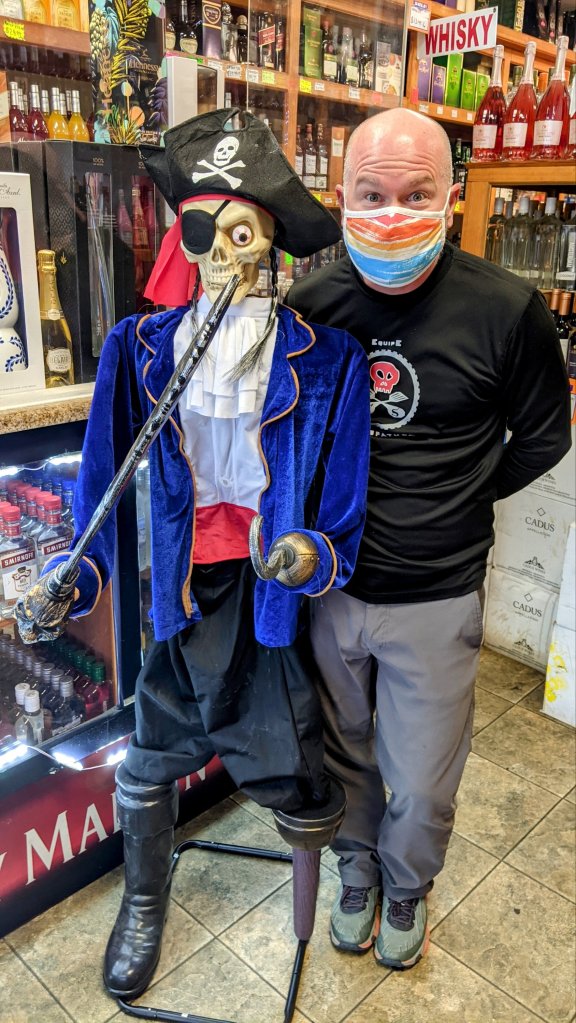
We found a pirate in Queens!

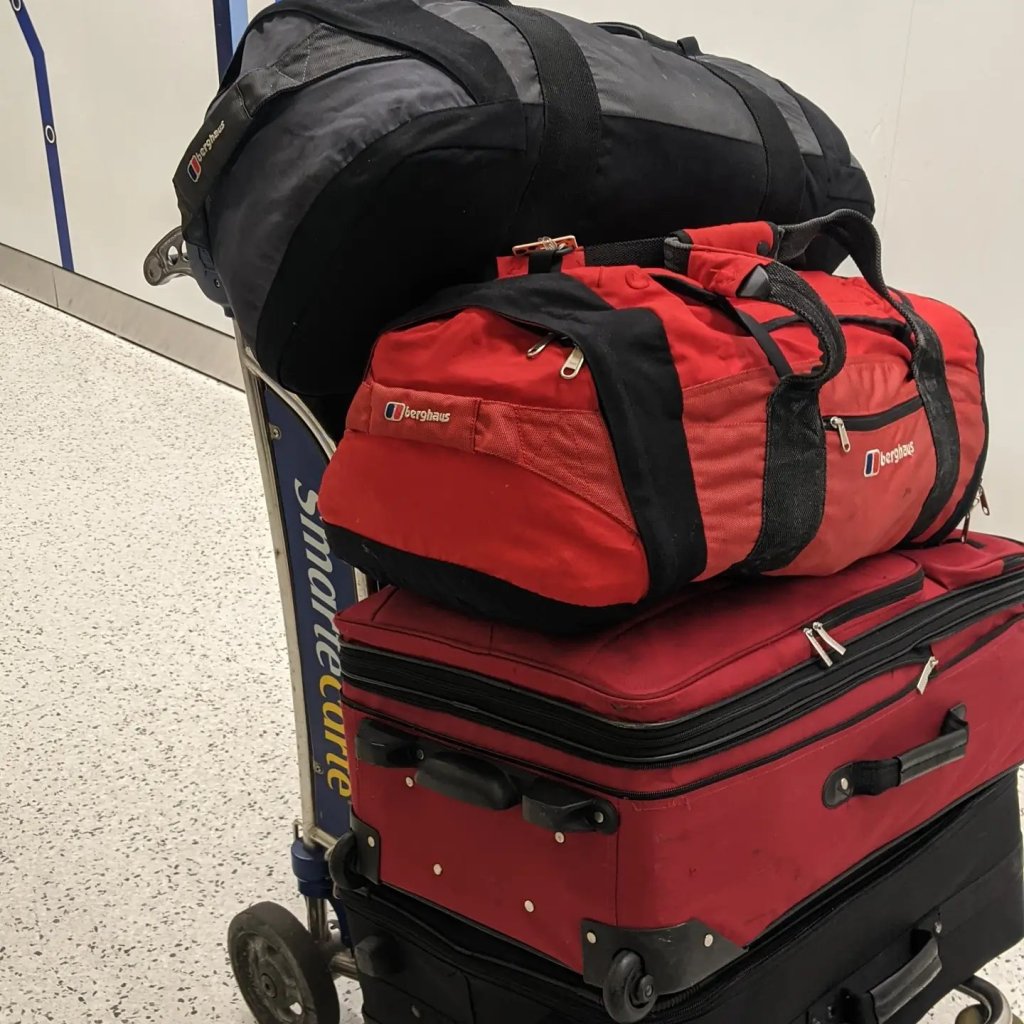
Our first challenge in returning to the islands was to figure out what to do with all of our stuff. Somehow, whatever we packed to bring home back in June bred and multiplied in the back of our Ford Escape and we suddenly owned way more junk than fit in our luggage. Visiting “The Land of Plenty” will do that to you. Also, a Costco membership card.😜 Some of it, we’d bring back with us – American toiletries and supplements are very expensive in the islands, as are gluten-free foods. Extra clothing we donated to charity. Luckily, almost all the clothing I bought as “land clothes” for our visit came from a thrift store so it was easy to part with – almost like renting warm clothing that we wouldn’t need when we returned south. Speaking of thrift stores, here’s a great nomad life hack for you…if you are returning home from your trip with a little more than you started with, consider buying an extra suitcase from Goodwill. We bought 2 huge pieces of luggage for $6.99 each and filled them as close as we could get to the 50-pound airline limit. Then we donated them on arrival in Grenada. Just don’t forget to pay for your bags in advance to avoid paying more at the airport! Even international flights don’t always include free luggage these days.

Yeah, we’re gonna need a bigger luggage cart

The next challenge is to comply with all the entry requirements of your destination country. That’s complicated by the fact that restrictions change quickly, based on the number of active cases in a country, and on whether the US is considered “high risk” at the time. When we traveled from New York to Grenada at the end of October, the rules were:

  • Only fully-vaccinated visitors are allowed to enter. We brought hard copy and digital copies of our vaccination cards
  • Apply for a Travel Authorization form one week before your flight
  • Have a negative PCR test result, taken within 72 hours of travel
  • Pre-pay for a 2nd COVID PCR test to be administered at the airport upon arrival in Grenada
  • Book two nights in an approved quarantine hotel in Grenada where you’ll stay until your arrival test results are available
  • Print everything to show the airline prior to checking in, or use an app such as New York’s Excelsior Pass

Our flight from JFK left before 7:00am on a Monday morning, so our covid tests were complicated by the weekend. We tried to take advantage of free testing at a Rite-Aid on Friday morning. But when we didn’t receive results by Saturday afternoon I panicked and paid $160 per person to get a test that guaranteed results by Sunday at 5:00 pm. It was a good decision. Capt Mike didn’t get his free test results until we arrived to the airport – I would have been totally freaking out if the results of our paid tests hadn’t been available!

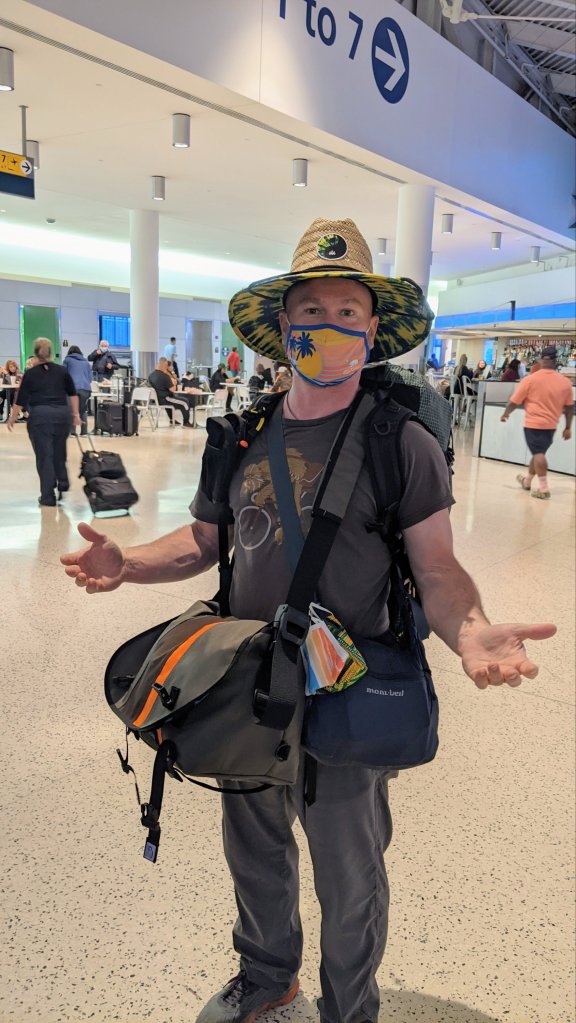
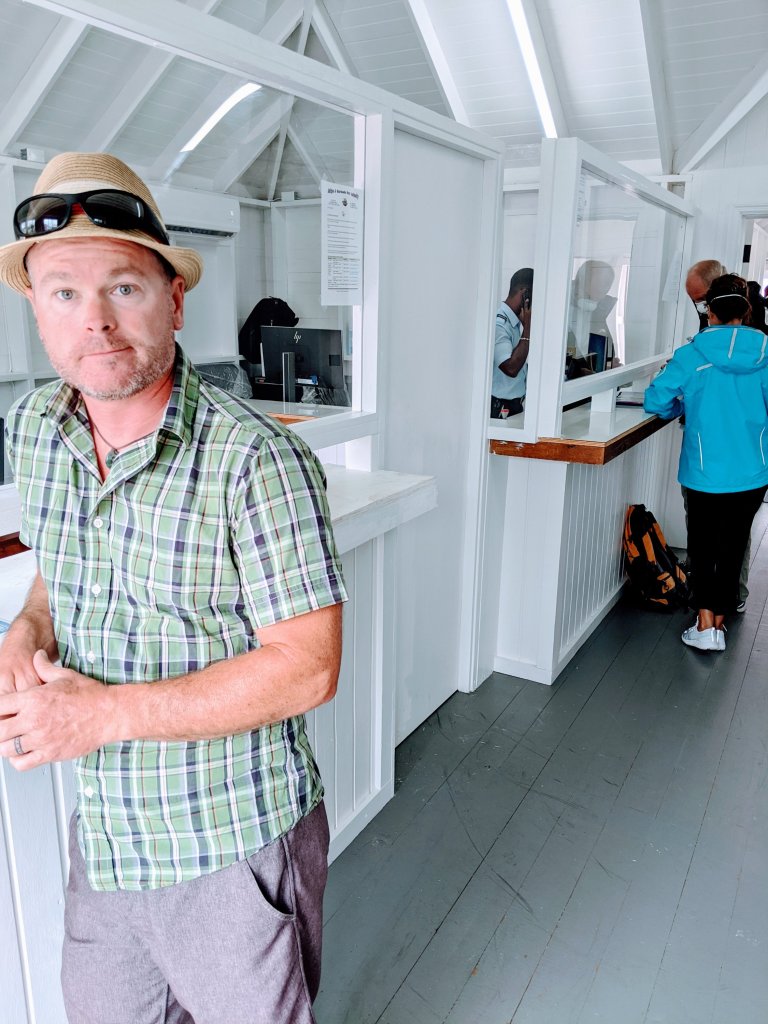
Nomad man
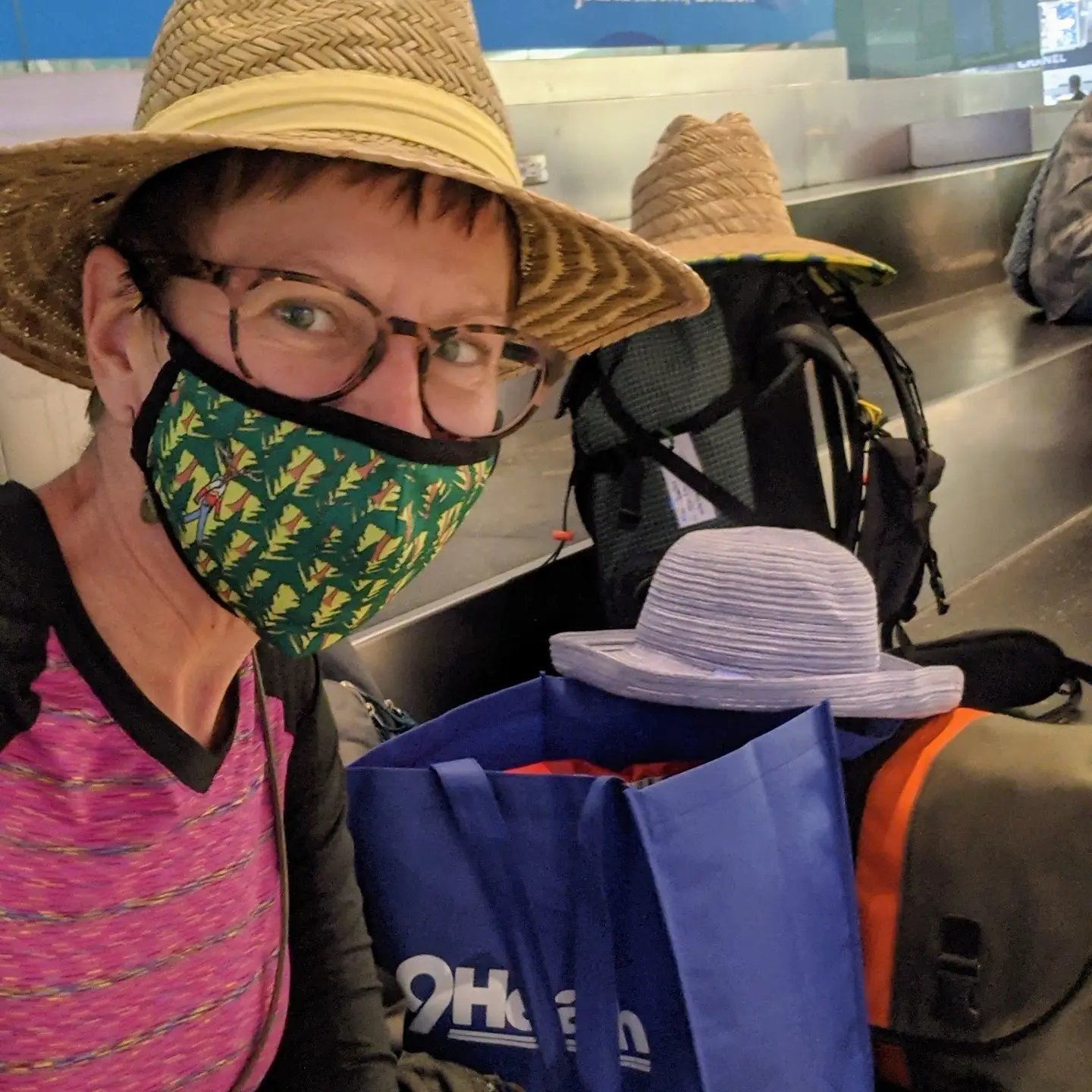
You gotta wear your hat, so you don’t crush it!

After that, everything went smoothly. A 3am alarm got us to JFK in plenty of time for Mike to drop off me and my massive pile of luggage while he parked. I have nothing but positive feedback for JetBlue. Just a week after the Southwest flight cancelation fiasco, and a week before the American Airlines meltdown, every JetBlue employee we interacted with was professional and helpful. Our flight was about half full and on time, and it felt wonderful to take our first breaths of warm, humid island air when we deplaned at Maurice Bishop international airport. We arrived on a local holiday, but the clear-in process was still smooth and efficient. After our third nose swab in four days, we collected our bags and hopped into a taxi for the short trip to Sunflower Apartments.

I’d planned ahead and ordered delivery of grocery basics (eggs, fruit, pasta, potato chips, and booze) for our 48-hour quarantine. It was brilliant! The delivery van from IGA arrived at the apartment at the same time as our taxi. After Lauren in security took our temperature and showed us around, we settled in for quarantine, aka well-deserved rest and recovery period. With air conditioning and lots of Netflix movies, we barely minded, and we were officially cleared around 4:00 pm on Tuesday. Just in time to go out to eat at Greek Kitchen before restaurants closed round 5:00 for COVID curfew.

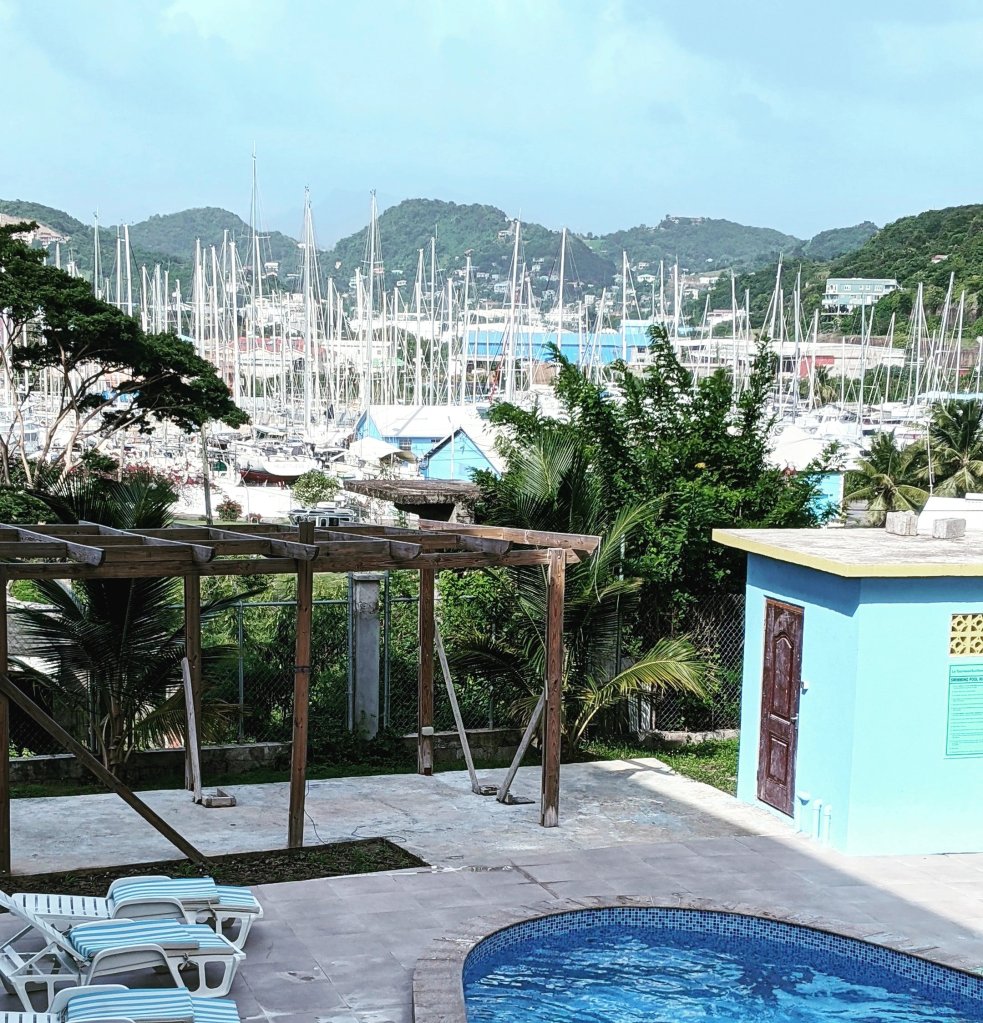
Sanitas is one of those masts, way over there. (View from our quarantine apartment)

Do all these Covid protocols sound strange to my fellow Americans? Well, Caribbean island nations are still taking Covid quite seriously, especially since many have limited medical facilities. But they are also balancing safety with the need to improve the economy and to restore tourism. Both Grenada and St Vincent have recently removed the quarantine requirement for fully-vaccinated visitors. Grenada now only requires a rapid antigen test on arrival, rather than the costlier PCR test. And they’ve significantly lowered the cost of the tests for departure, which are required when you return home to the States. While Covid-related protests have turned violent in the French islands, Grenada feels safe and peaceful – especially as the beautiful weather means we live our lives almost entirely outdoors all winter long. I’m very glad we were able to return to Sanitas this fall, and I’m really looking forward to being able to sail more and explore more than we’ve been able to for the past two years!

Celebrating our freedom from quarantine

What’s next for the crew of Sanitas?

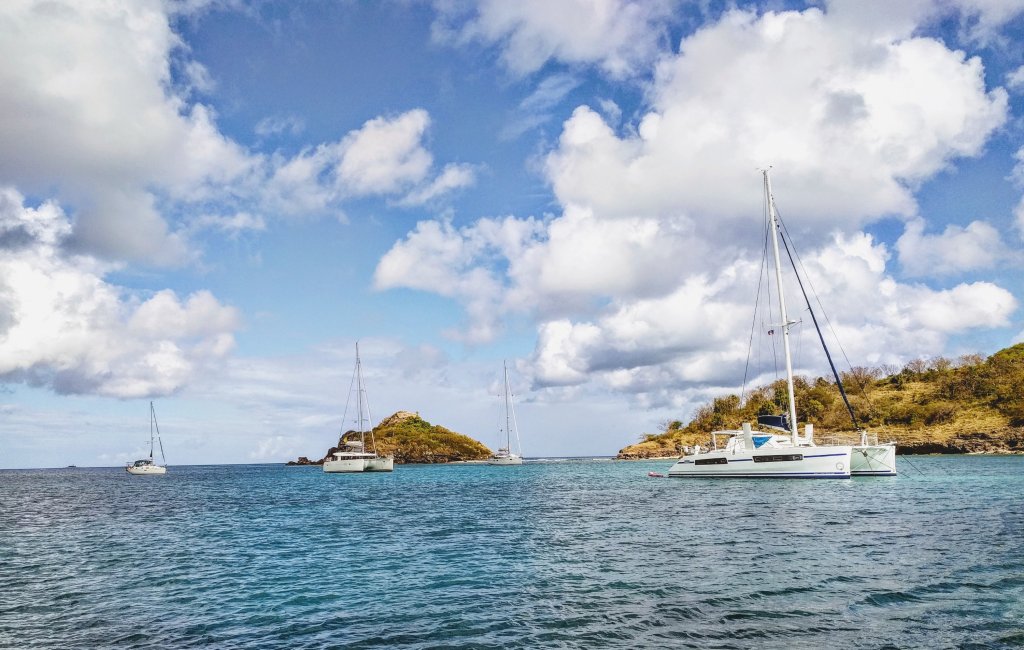
That’s a great question! When you figure it out, could you let us know? 🤣 Just kidding. Sure, we’ve found a calm spot in Antigua to wait out coronavirus quarantine and curfew. But we can’t stay here forever.

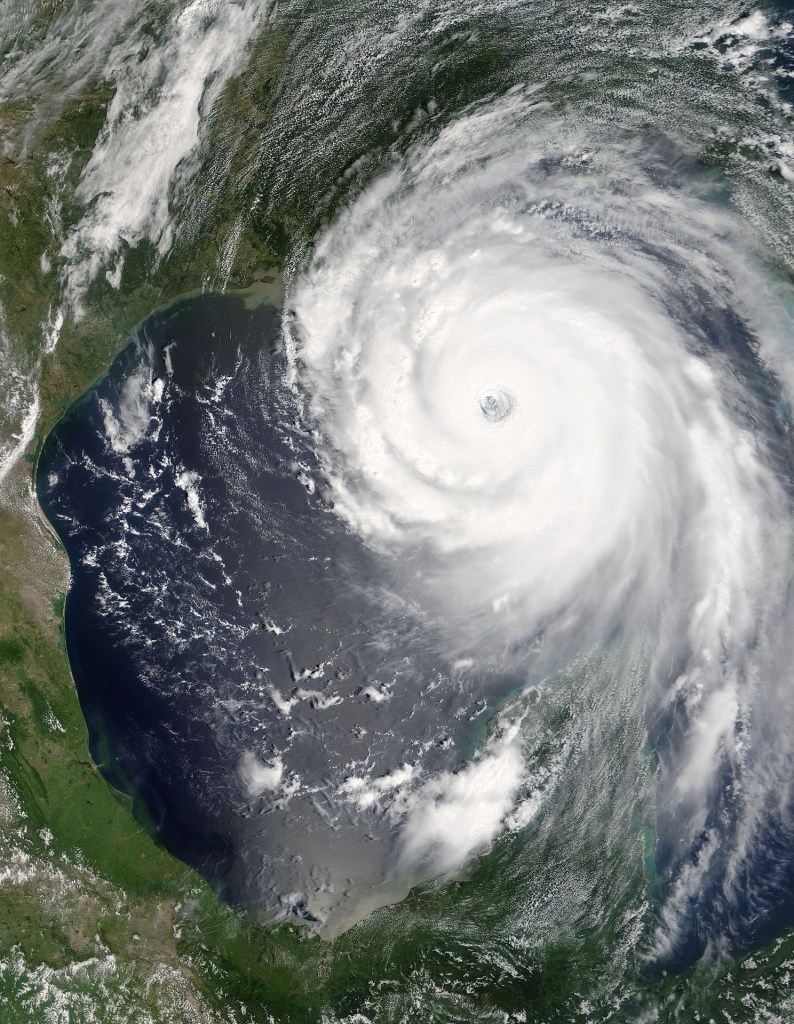
Our 90-day visa expires on 22 June. Even more importantly…HURRICANE SEASON IS COMING! (Say it in your best Robb Stark, Game of Thrones voice). Hurricane season in the Atlantic Ocean and Caribbean Sea officially starts 1 June. But as I write this on May 15th, tropical storm Arthur is already forming between Florida and The Bahamas. Insurance companies usually require boaters to be safely outside the hurricane box during this timeframe, and they define the hurricane box as the area north of St Vincent in the eastern Caribbean and south of the Chesapeake Bay on the US east coast. This doesn’t mean you can’t get a hurricane outside the box, but they are much less common. If your geography is a little bit rusty, Antigua is smack in the middle of that box. 😲 Hundreds, if not thousands, of sailors plan to spend the summer in Grenada or Trinidad in order to get “outside the box”. But with borders closed to prevent the spread of coronavirus, all those boats are stuck in place and chomping at the bit to move south as soon as Caribbean governments allow.

We made a reservation ages ago to store Sanitas in a boatyard in Grenada and we planned to fly back to the USA for the summer. We also put a deposit on a boatyard here in Antigua as a Plan B. But now, like everyone else, all of our summer plans have been canceled. And we don’t know when flights between the Caribbean and the States will resume. If we do make it back to the States, we don’t have a home to go to, and we don’t know when we’d be allowed back to our boat after the visit. A recent study suggests Covid-19 has been contained within the Caribbean, but many countries view visitors from the US as high risk to their health and safety because so many new cases are still being identified there. Heck, what if we do make it “home” this summer and one or both of us gets sick? We sure can’t afford a hospital stay under the US health care system. I don’t think our international medical insurance covers us for Covid-19 treatment if we travel back while State Department “Do Not Travel” warnings are still in place. That alone makes it feels safer to stay in our small island bubble that to get on an airplane back to New York.

The Marine and Yachting Association of Grenada has been working behind the scenes on a proposal to the Grenadian government on how to open the borders to incoming yachts safely while protecting the residents of the country from importing coronavirus. We’ve been waiting impatiently to learn the results, but things are finally looking positive! Over 1100 boats have registered in a database to state that they want to travel to Grenada when borders open. Yesterday, MAYAG posted the first details on the plan. Of course the cruising community was immediately abuzz with excitement. Here’s the plan as we understand it so far….

We had a meeting today with the various authorities in Grenada who we are coordinating with and have agreed on an implementation protocol for arriving yachts. This needs to be approved by cabinet, which will be one of the final steps before we get the go ahead.

  • All yachts intended to come to Grenada need to complete the Maritime Health Declaration Form 48 hours ahead of your scheduled arrival.
  • A designated quarantine area has been set up. The GPS coordinates of this area will be given to you.
  • Quarantine will be 14 days with no shore leave granted and this will be on your yacht in the quarantine area. Provisioning supply chain has been set up for you during this time but we advise provisioning as much as you can before you leave for Grenada.
  • After the quarantine period you will be required to take either a PCR test or a Rapid Test. The cost will be EC$200 for the PCR Test or EC$75 for the Rapid Test. There will be a Statutory Regulation published requiring you to do this. If you object to taking this test then please make alternative arrangements as you will not be able to clear into Grenada.
  • There will be an arrival schedule set up where yachts will book an arrival date and be expected to arrive within 48 – 72 hours of that date. There will be a small admin fee of US$20.

That all sounds pretty reasonable, don’t you think? It’s still gonna be a little bit tricky. If we can’t stop in any countries between Antigua and Grenada, we’re looking at about a 300 nm passage, taking us about three days in good weather conditions. Capt. Mike and I will have to take turns on watch for the entire time – it will be our longest passage so far. I’m sure glad this isn’t our first cruising season! And we’re not really looking forward to another 14-day quarantine on our teeny tiny boat. Especially in the designated quarantine zone which is going to be crowded, rolly, poor anchor holding, and filled with lots of other frustrated and cranky sailors 🤪 But we’ll make the best of it because we also want to ensure that our Grenadian hosts can stay healthy and safe. I guess this is our Plan A for now, and we anxiously await news from Grenada on our scheduled arrival date. I hope we remember how to sail after sitting at anchor for so long! Wish us luck!

I guess I live in Antigua now

After a month in beautiful Guadeloupe, with Covid-19 finally present in the Caribbean, Capt. Mike and I were feeling increasingly unwelcome in the French island and made the difficult decision to return north to Antigua. Why’d we decide to move?

  • The government asked all foreign flagged boats to leave.
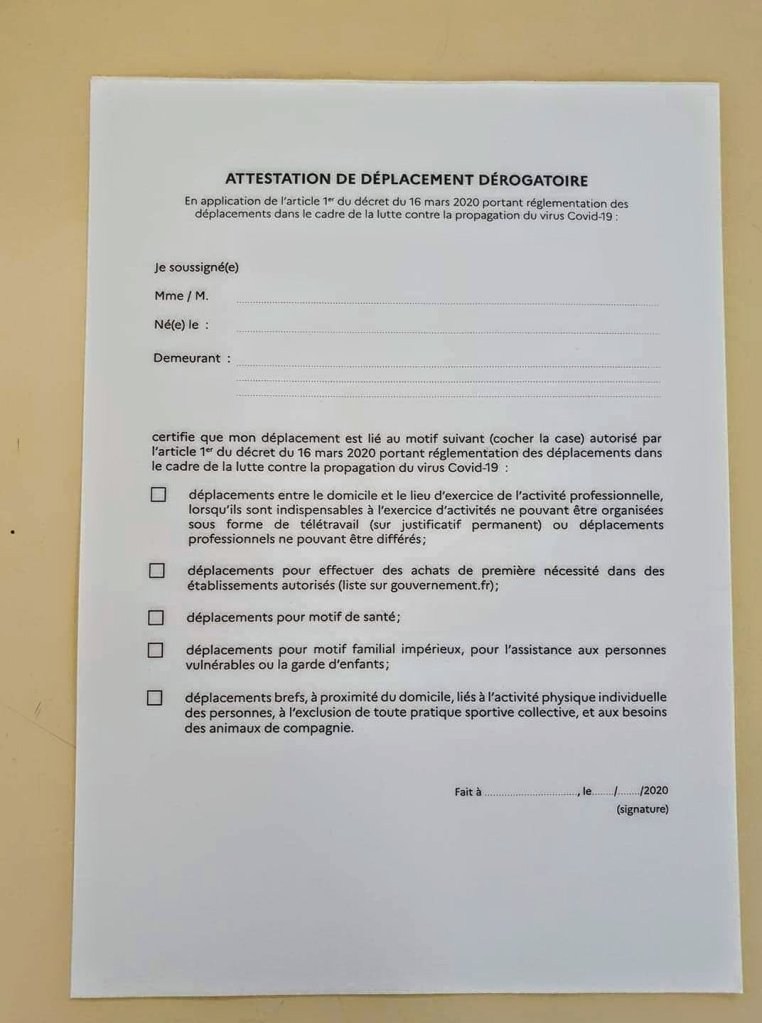
  • Guadeloupe followed the French lead, and was increasingly locked down: all non-essential businesses closed, stay home at all times, if you must leave for groceries or medical care you need a form which will be checked by police, no moving boats between harbors, no walking on shore, even no swimming (!)
  • Confirmed cases increased rapidly on the island, to epidemic levels. We stayed on the boat for over a week straight with only one trip to land for groceries.
  • We were running low on propane for our cook stove. When it runs out, we can’t refill in the French islands because they only have butane. The possibility of going weeks or months without a hot meal was daunting.
  • We had no support network of fellow liveaboard sailors in Guadeloupe, and can’t speak French well enough to make new friends. When our dinghy motor conked out half way back to the boat, it really brought home how much we were on our own.

All around us, Caribbean islands were closing their borders. I belong to Facebook groups for sailors and twice a day admins shared the latest and greatest news on borders. The situation was changing so quickly that some sailors left one open port to make a passage to another open port in a different country, only to find those borders closed when they arrived. Here’s a portion of the the last edition of the closure list from March 23.


Latest updates as of 09:30 March 23

This will be my last update. If you haven’t figured out that moving around is risky, I can no longer enable reckless behaviour. When restrictions start being relaxed, I’ll be back. This is for yacht/pleasure craft clearances only. Thank you to everyone who contributed to this. This was truly a community effort.

TRINIDAD is closed.
ST LUCIA is closed.
ARUBA is closed
BONAIRE is closed.
CURAÇAO is closed.
BVI’s are closed.
MARIE-GALANTE and THE SAINTS are closed.
DOMINICAN REPUBLIC is closed.
ST MAARTEN (Dutch) is closed Monday. It appears the French side will be doing the same.
ANGUILLA has a mandatory 14 day quarantine.
BERMUDA is closed.
DOMINICA is closed.
GRENADA is closed.
MONTSERRAT has a mandatory 14 day quarantine.
MARTINIQUE is closed.
GUADELOUPE is closed.
TURKS & CAICOS will be closed as of Tuesday, March 24. PUERTO RICO is in lockdown. Ports are open.

If you are told to quarantine, don’t mess around. You asked that country to take you in and trust you, it is now up to you to do your part. Fines and jail time are possible, never mind jeopardizing the health of those around you. Good luck all.


So….Capt. Mike and I made the decision to leave as soon as possible for Antigua, while borders were still open, even though the sailing conditions were less than ideal. But – we had another problem. With all non-essential businesses closed, we couldn’t clear out of Guadeloupe, and we didn’t know if Antigua would accept us without the proper paperwork. We spent all afternoon on the phone with Antigua customs and immigration until we found someone who could answer our question. Finally, at 5:30 pm, we were told “You can come”.

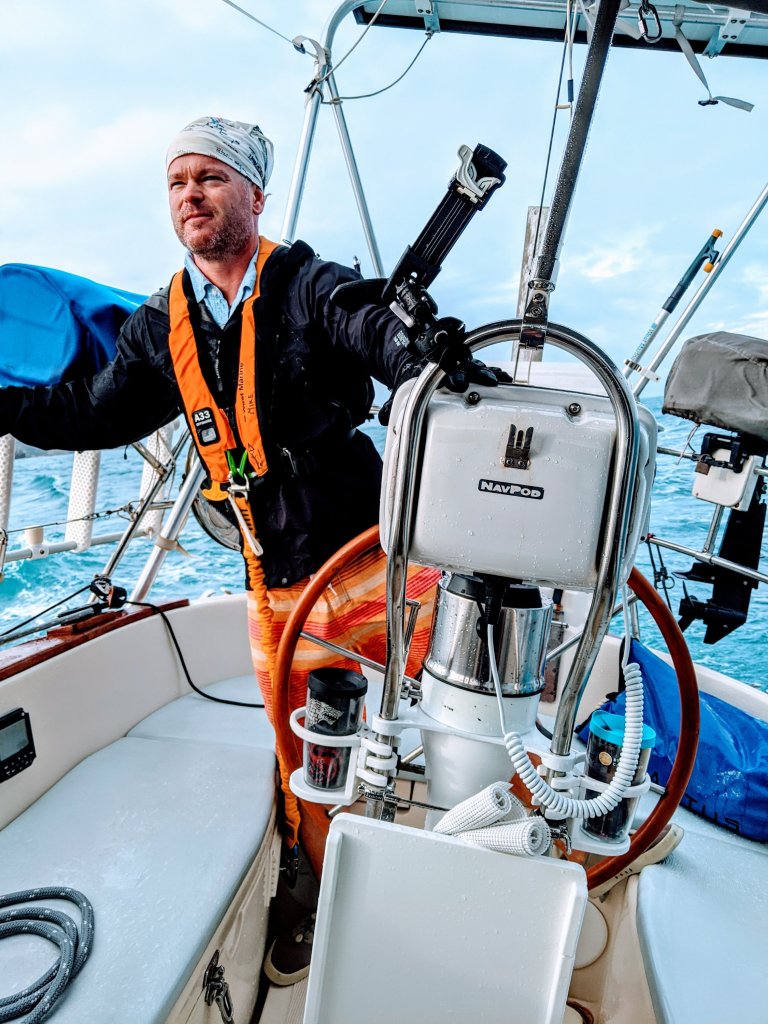
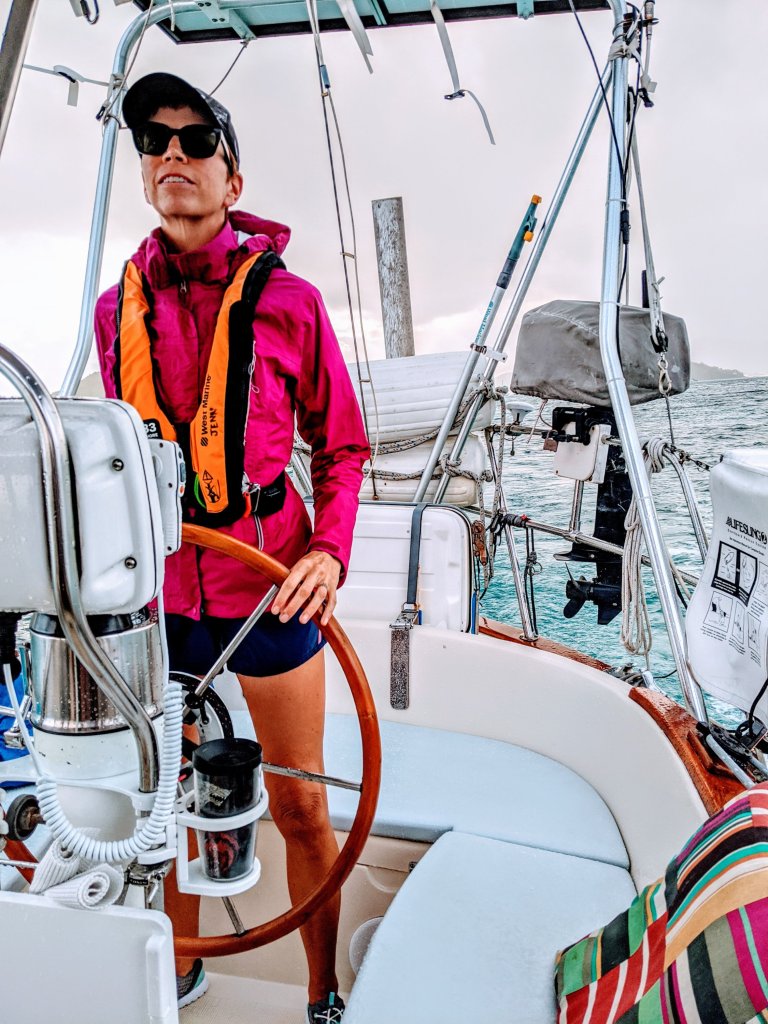
So I cooked a big dinner, prepped everything for the sail, and set the alarm for 5am. We’re definitely out of practice with these early starts, but we were anchors up and outside the harbor channel by official sunrise at 6:02 am. Conditions were definitely “sporty” all day with winds over 20 knots and very high waves hitting us on the beam and knocking Sanitas sideways. As we rounded the point at the southeast corner of Guadeloupe, seas were very confused causing a “washing machine effect” and I found myself feeding the fishes a little bit of last night’s dinner. Capt. Mike was amazing all day. He stayed at the helm for over 12 hours, through rain showers and crazy seas, managing the sails, adjusting course to get us to Antigua as directly and quickly as possible. Floatation device on and tethered to the boat, at one point a big wave crested over the cockpit, half-filling the cockpit with seawater. Good thing the cockpit scuppers (drains) weren’t clogged! On the positive side, there were absolutely no other boats out there to get in our way, and with those strong winds, Sanitas was flying! She averaged 6.1 knots over those 12 hours, which is absolutely unheard of! Conditions were never actually dangerous, and our sturdy 37 foot Pacific Seacraft handled it great, but it is just slightly possible that I am less hardy and tough than our boat. 😜


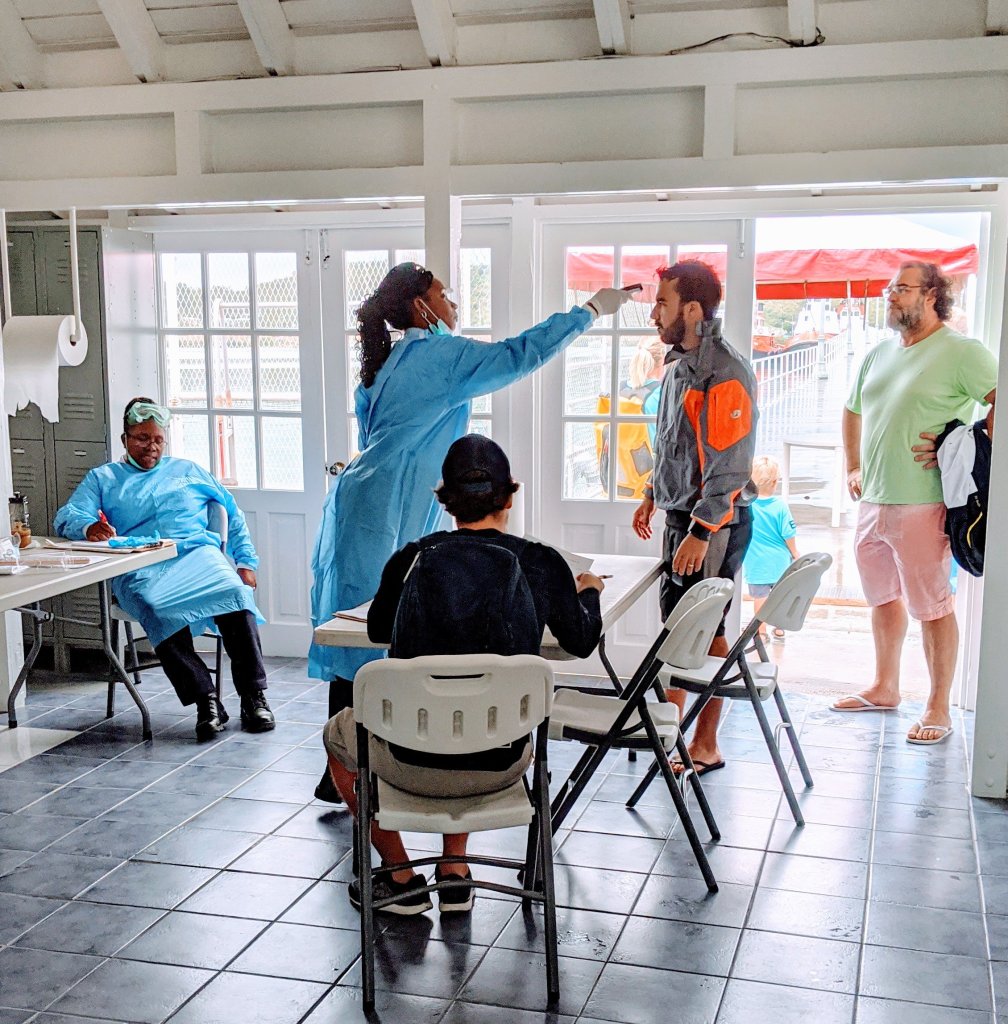
We made it as far along the Antigua coast as we could before sunset, but we couldn’t make it to the one remaining open port of entry in St John’s. So we dropped the anchor, raised the yellow Q flag, had a bowl of soup, and went right to sleep. After another early start, with a coast guard boat escorting us part-way, we sailed into the channel of St John’s, the capital of Antigua and Barbuda. It’s an industrial port, and sailboats rarely come here. We hailed the port authority on the VHF radio to let them know we were coming, dropped anchor in the middle of a bunch of other boats all flying the Q flag, lowered our dinghy into the water and headed ashore. The building at the top of the dinghy dock has been turned into a new customs and immigration office. As soon as we walked through the door, we were asked to sit down at a card table and had our temperatures taken and recorded. An officer from the Antiguan Health Ministry asked us a series of questions about our travel history and current state of health: “Which countries have you visited in the past 30 days?”, “Why did you return from Guadeloupe?”, “Have you had any crew members join and leave your vessel?”, “Have you visited any of these countries?” We filled out several sets of forms and they all got gathered into our file. The Health Minister signed off on our entry and sent us to Customs and Immigration. We were immediately asked for the missing clearance paperwork from Guadeloupe. Luckily, the customs officer allowed Capt. Mike to write a letter to the government explaining the reason for the missing papers. After standing in a few more lines, and paying a few fees, we were in! We have a 90-day immigration visa, a 30-day cruising permit (renewable) and no restrictions on moving between anchorages.


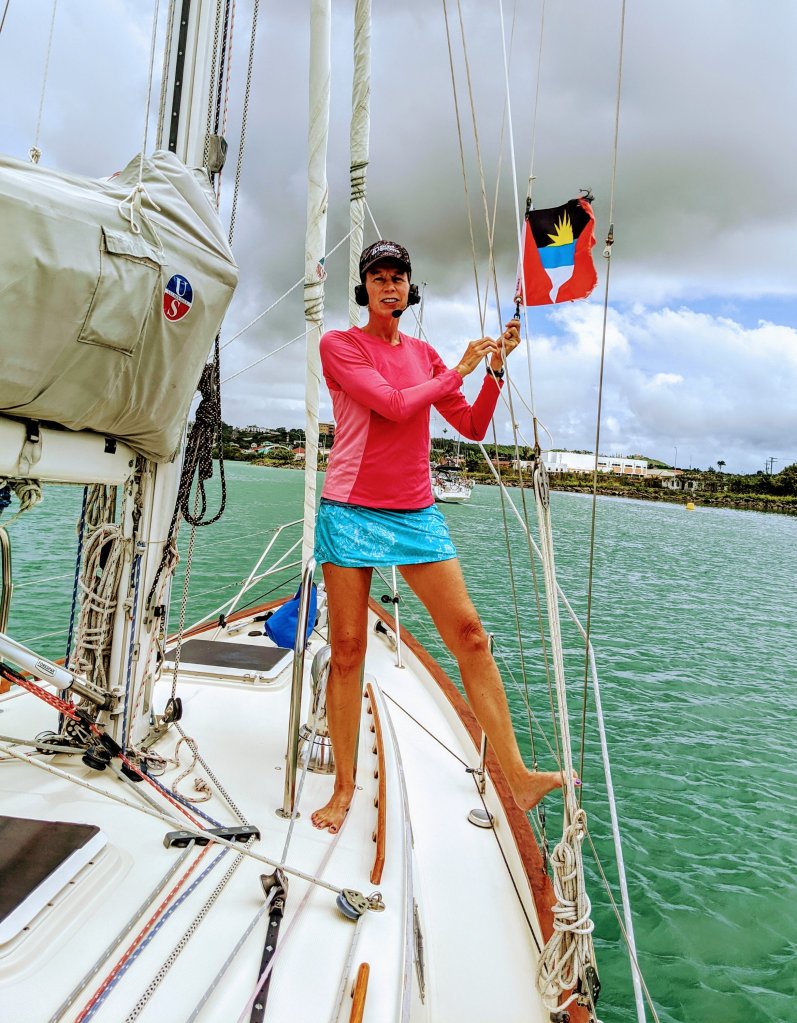
We did a quick walk into town to pick up some veggies, a phone charger cord, and takeout for lunch. It was strange to see so many people out on the streets after the complete lockdown of Guadeloupe. We went back to Sanitas, replaced the yellow Q flag with the courtesy flag for Antigua, and sailed south to Deep Bay which is quiet and calm to rest up and recover.

So what will we do next? I don’t exactly know. It’s just been announced that the Antigua international airport will close at midnight tomorrow. The prime minister is talking about implementing a nightly curfew this weekend to keep people at home. There have been three confirmed cases of Covid-19 here in Antigua – which is pretty low compared to other countries and islands. Basically, Mike and I are planning to hunker down on Sanitas, eat the food we’ve got stored away, and go ashore and be around people as little as possible. Our immigration status is good until June 22. We can move from harbor to harbor as the weather conditions change to find a safe anchorage. We’ll top up with diesel, gas, and propane to ensure we are well-positioned in case businesses close or supply chains are impacted. We’ll get a little extra cash (Eastern Caribbean Dollars) from the ATM. We’ll lock the boat every time we do leave – in case our cans of tuna fish start to seem very attractive to other people. We’ll think about alternative plans for hurricane season – researching if we can haul out here for the summer instead of in Grenada, and asking if Grenada will roll over our non-refundable deposit to next year, or if we’ll lose it 😢 All in all, we feel pretty safe here and feel in control of our own safety. We even have plenty of toilet paper! Honestly, it feels safer right now than getting on a plane, squished in with lots of people, and returning to the US where we don’t have a home or any supplies. Stay tuned! We’ll keep you posted as we figure it all out!

A rhum tour of Guadeloupe

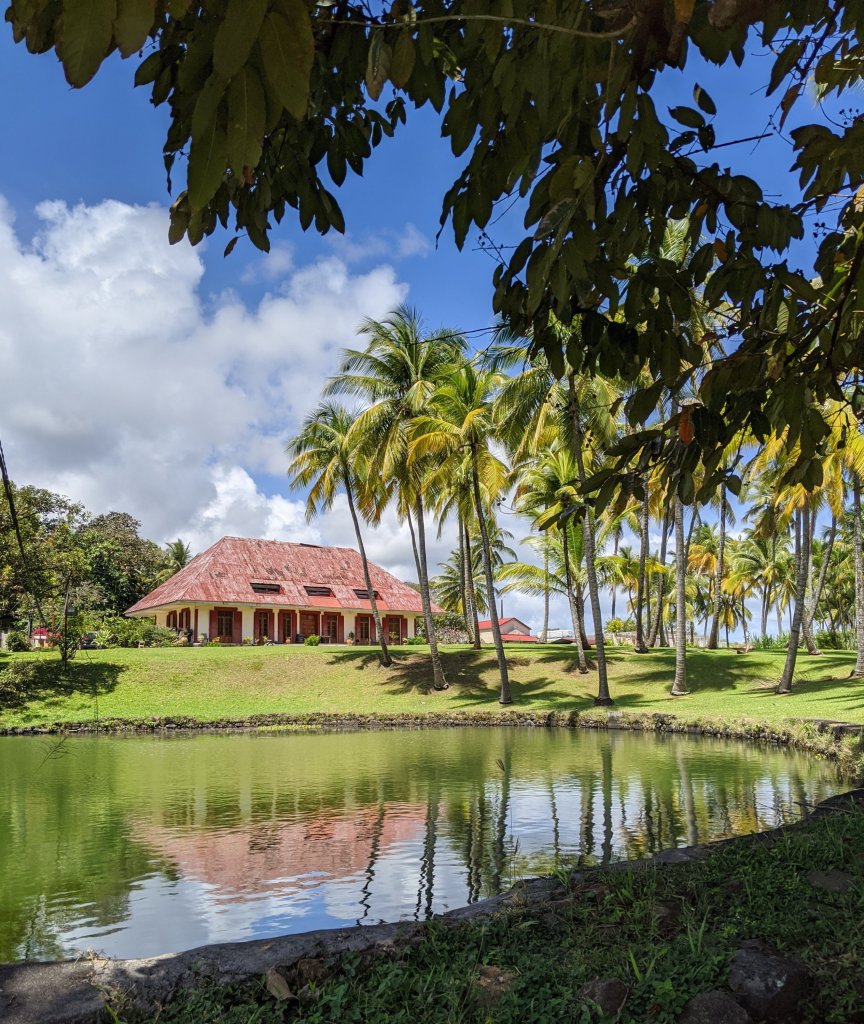
The island of Guadalupe is famous for producing rhum agricole – which is rhum (with an h) produced from the juice of sugar cane, as opposed to rum (without an h) made from molasses. It’s famous around the world, and extremely popular in its parent country of France. So when Capt Mike and I rented a car from the marina in Point-a-Pitre, the first stops on our island tour were at distilleries. Literally our first stops! All the rhum distilleries are only open until lunch time, so you have to be willing to stiffen your spine and go rhum tasting in the morning.

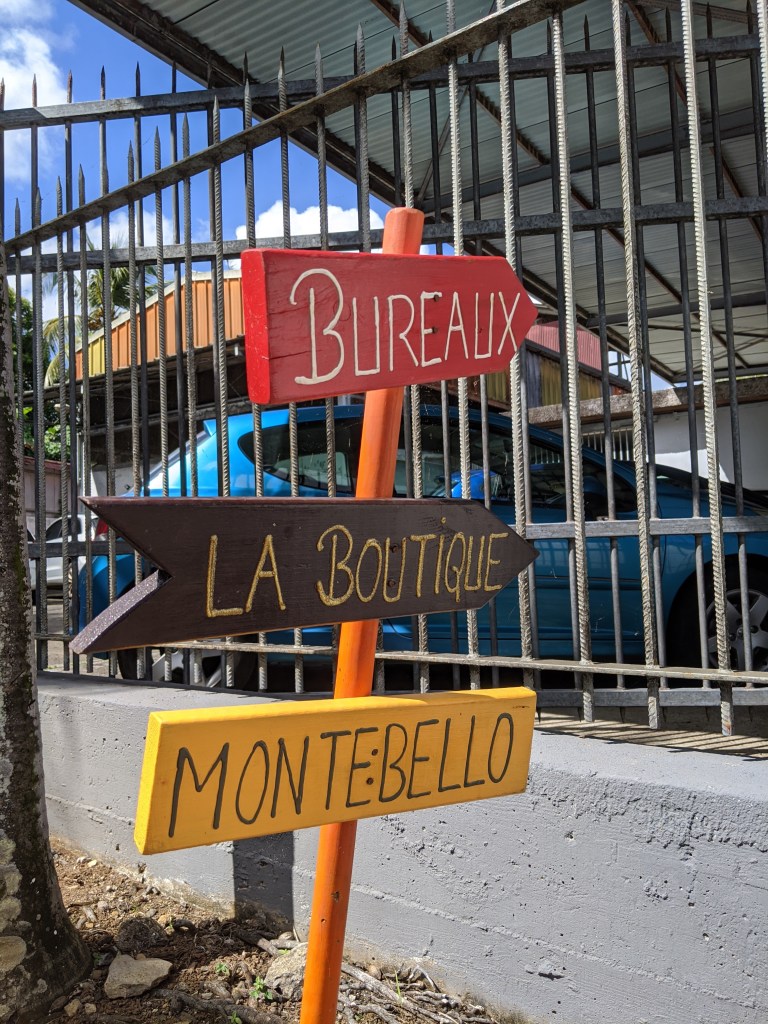
First stop was the boutique family-owned distillery Montebello. Unfortunately, there were no tours being offered the day we visited, because all of the machines were up and running, making rhum, and it wasn’t considered safe for visitors inside the factory. Drat! But we were encouraged to pour our own samples of several young (white) rhums and vieux (aged) rhums, as well as fun fruit flavored rhum punches. We got chatting with the young man working the shop and learned he’s a member of the only punk rock band in Guadeloupe, The Bolokos. They filmed a video in the distillery and released a special commorative rhum bottle with cute little cartoon punk rockers on the lable 🤪 He called up the video on the shop’s computer and let us watch their signature anthem “We drink white rhum”. Super fun – and if we’d still been in the area on Friday night, we’d definitely have attended their gig in the next town over. But as it was, we just bought a bottle of 4-year aged rhum and continued on our tour.

The Bolokos video – We Drink White Rhum

Next stop: the larger and more commercial Distillery Longeuteau. The man in the shop said he speaks a little English, but the tour would only be in French. When I said that  I didn’t think I wanted to pay 8€ for the tour in French, he put a finger to his lips to show it was our little secret, and handed me two tour entry tickets for free. I’m so glad we did it! Here, the machinery was also running, but apparently Longeuteau doesn’t consider it dangerous to give tours – at least not if they’d lose 8€ per person, lol. Mike kept saying, “they’d never let us get this close in the US!” A very nice gentleman from Toulouse France offered to help translate for us, and really made the whole tour more enjoyable.

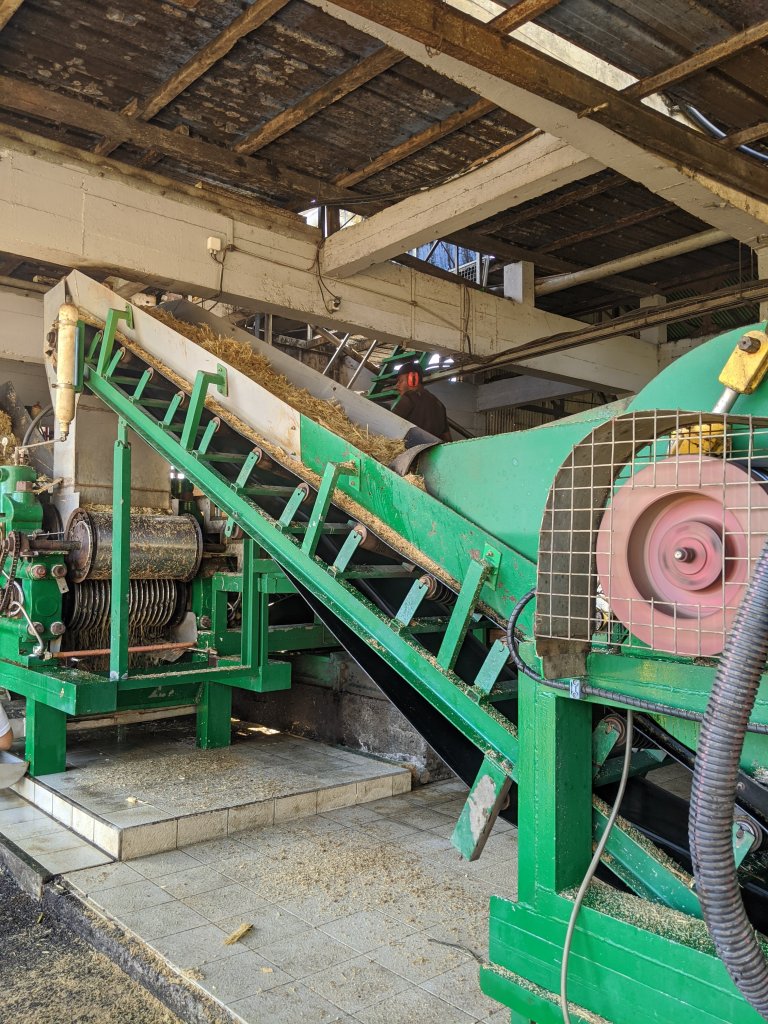
Step 1: Juicing the sugar cane – A big front end bucket loader scoops up a massive amount of red sugar cane chunks and dumps it into a hopper that starts a series of conveyor belts, crushers, and presses. The end result is a gush of cloudy yellowish liquid. This part really didn’t seem Heath and Safety endorsed. In fact, a French couple finished taking their photos and stepped side just before – plop – a small avalanche of spent sugar cane fiber landed right where they’d been standing 😁

Step 2 – Fermentation – The cane juice spends several days in big open fermentation tanks building a thick froth of bubbles. It doesn’t even need to be stirred; the fermentation is so active, that the cane juice bubbles and mixes and churns automatically.

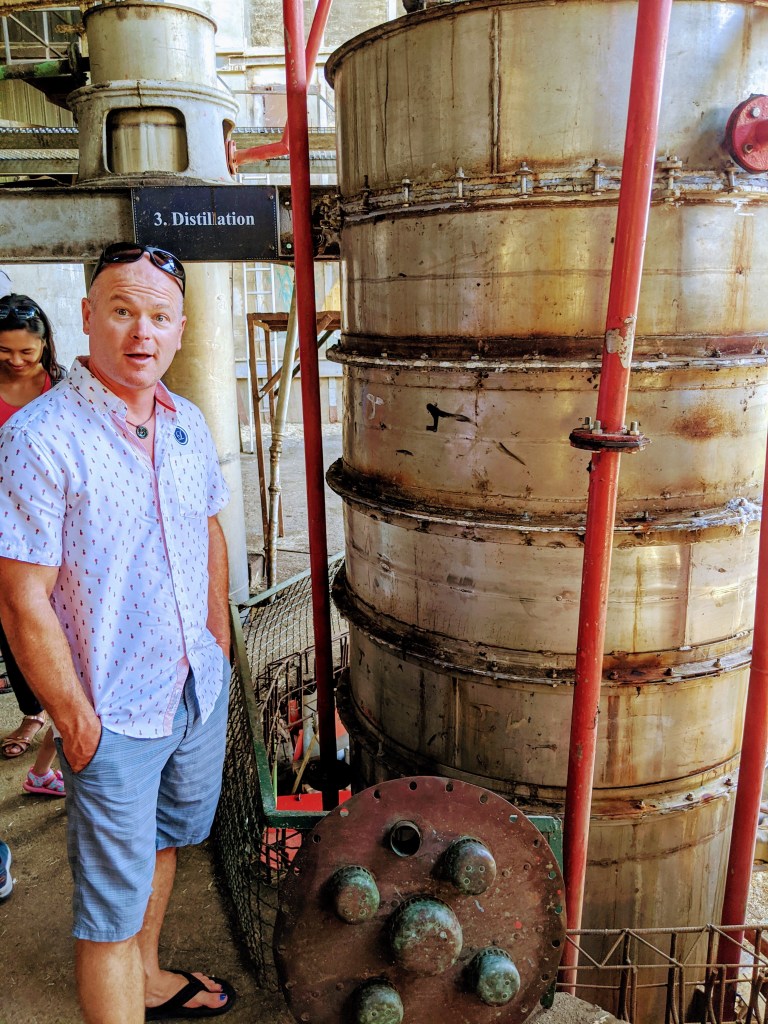
Step 3 – Distillation – Fermented cane juice is pumped to the still where the vapor from the distillation process is now high in alcohol content. The distilled alcohol exits the still at about 80% alcohol – which is not as delightful as it sounds. Our guide poured a generous dose of pure cane distillate into our cupped palms and urged us to breathe the fumes in though our noses and to sort of huff the fumes by breathing into our mouths. I definitely felt it in the back of my throat! Then he gave us a smaller pour to taste. Nothing even slightly resembling the sweet delicious aged rhum it could eventually turn into! He urged us to rub our palms back and forth to dry our hands until hardly a trace of smell or stickiness remained. If I run out of hand sanitizer, a bottle of pure sugar cane alcohol would certainly do in a pinch!

Step 4 – Aging – The pure distillate is diluted to about XXX proof and then aged briefly in steel tanks for white rhum, or at least 4 years in oak barrels for vieux (aged) golden brown rhum. Punch is also very popular. You can buy a bottle of fruit flavors, spices, and rhum that’s ready to pour over ice and enjoy. My favorite punches are coconut or passion fruit. (I’m kookoo for coco punch 🤣)

Speaking of punch, I wanted to thank the French gentleman for translating for us and making our tour so much more enjoyable. So I practiced in my head how to tell him (in French) that I wanted to give him a thank you gift and to ask which kind of punch he preferred. He really seemed to appreciate the gesture – and the bottle of Planteur Punch. I thought I’d end this post by leaving you with the recipe for a ti punch. You’re welcome!

Ti Punch

  • 2 oz of white rhum agricole
  • 1/2 tsp of turbinado sugar
  • 1 lime wedge

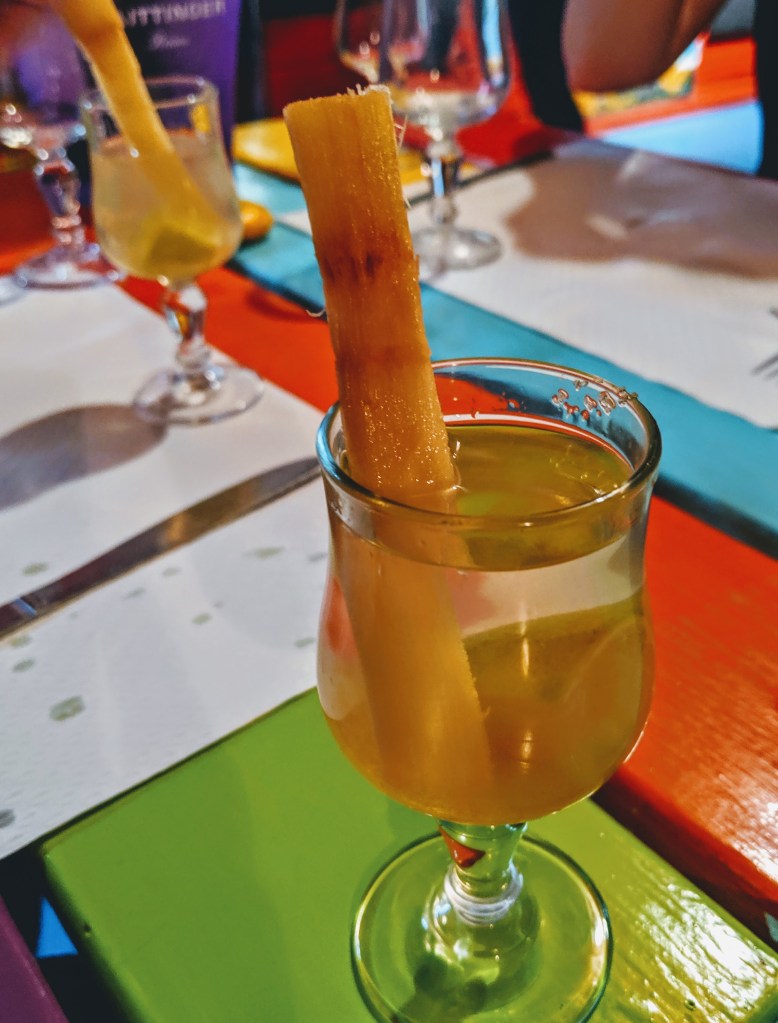
Use a small spoon to muddle the lime into the sugar in the bottom of a short glass. Add the rhum, stir, and serve. I prefer mine with a couple of ice cubes. For variations, use a stick of sugar cane or cane syrup instead of sugar. That’s all there is to it!