What’s the Covid-19 situation in Grenada? (aka: Where are your masks?!?)

I get it! You’re all wondering what the global pandemic is like in “Paradise” 🌴 🏖️⛵  Well, since the start of the Coronavirus pandemic, Grenada has had 23 lab-confirmed cases of Covid-19 and has experienced zero Covid-19 deaths.

The prime minister closed borders and implemented lockdowns early, in an effort to protect the residents of this tiny country which does not have a very robust health care system. Officially, borders are just now starting to open. Letting “yachties” into the country was sort of an exception – remember how we had to comply with strict protocols such as sailing directly from Antigua, 14+ days of Quarantine, and multiple Covid-19 tests?
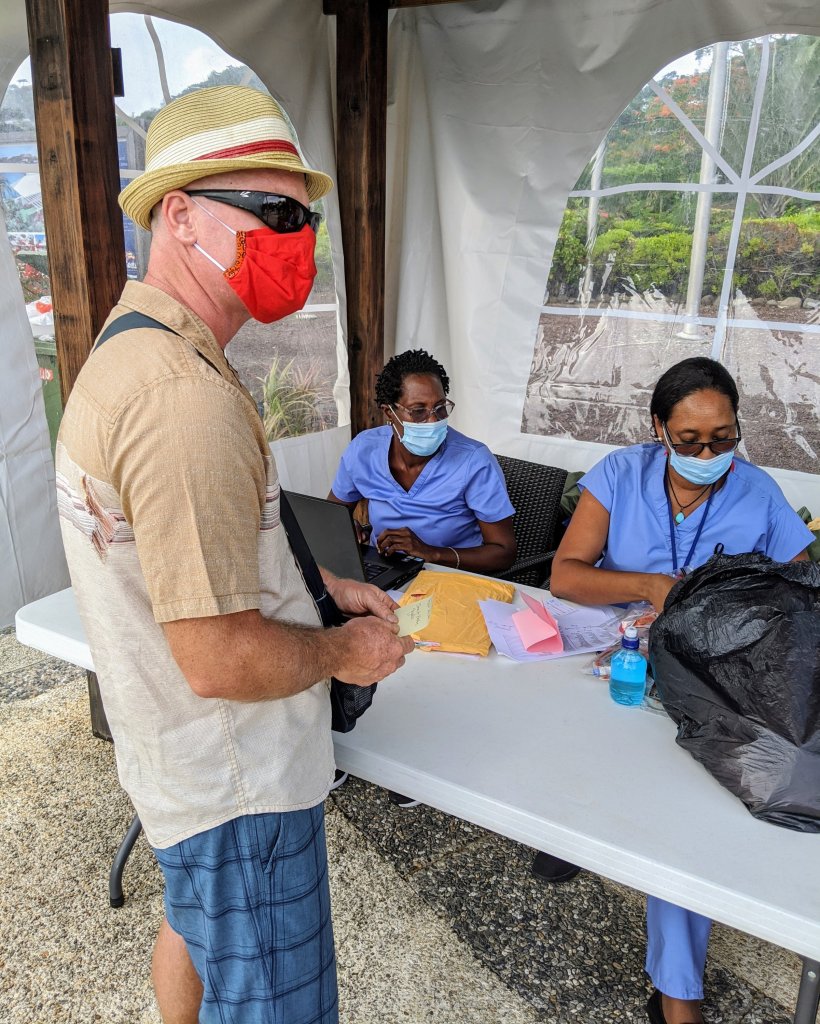
It seems to have worked. Since the beginning of July, Grenada has been completely Covid-free. And they’ve started to relax restrictions such as curfew and prohibitions on gathering. Here are the current rules:

  • The curfew has expired
  • Beaches are open
  • Gatherings of up to 20 people are allowed
  • Some restaurants have reopened for dining in, with social distancing, temperature checks, and contact tracing
  • Masks are mandatory for indoor businesses and on public transportation
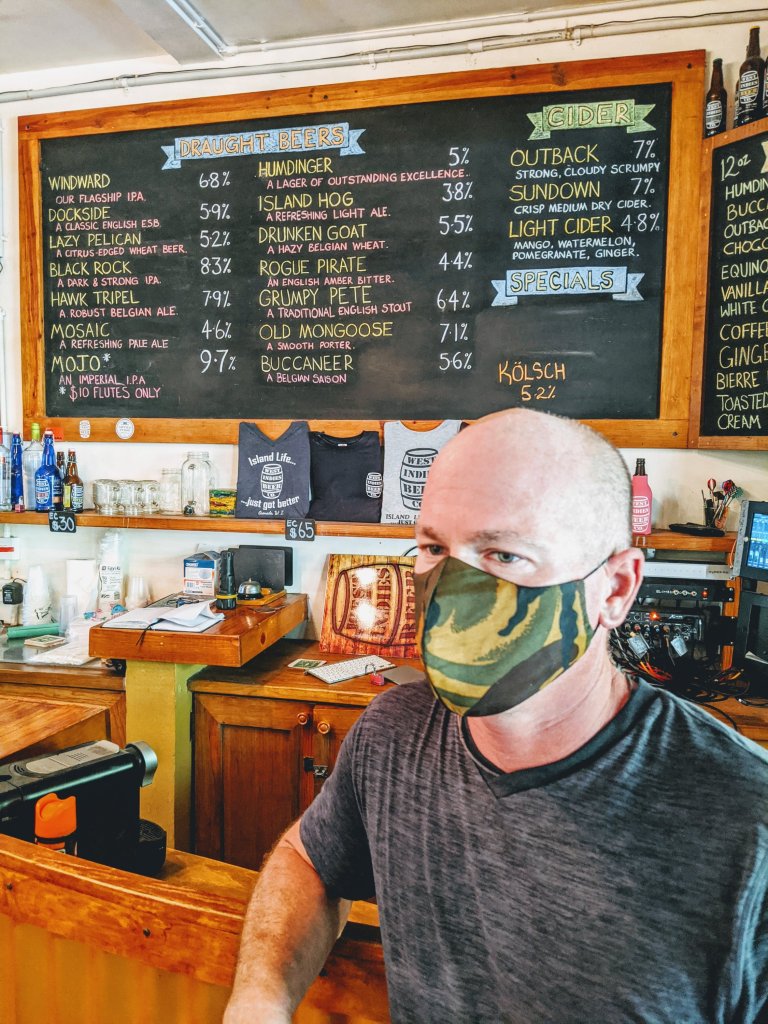
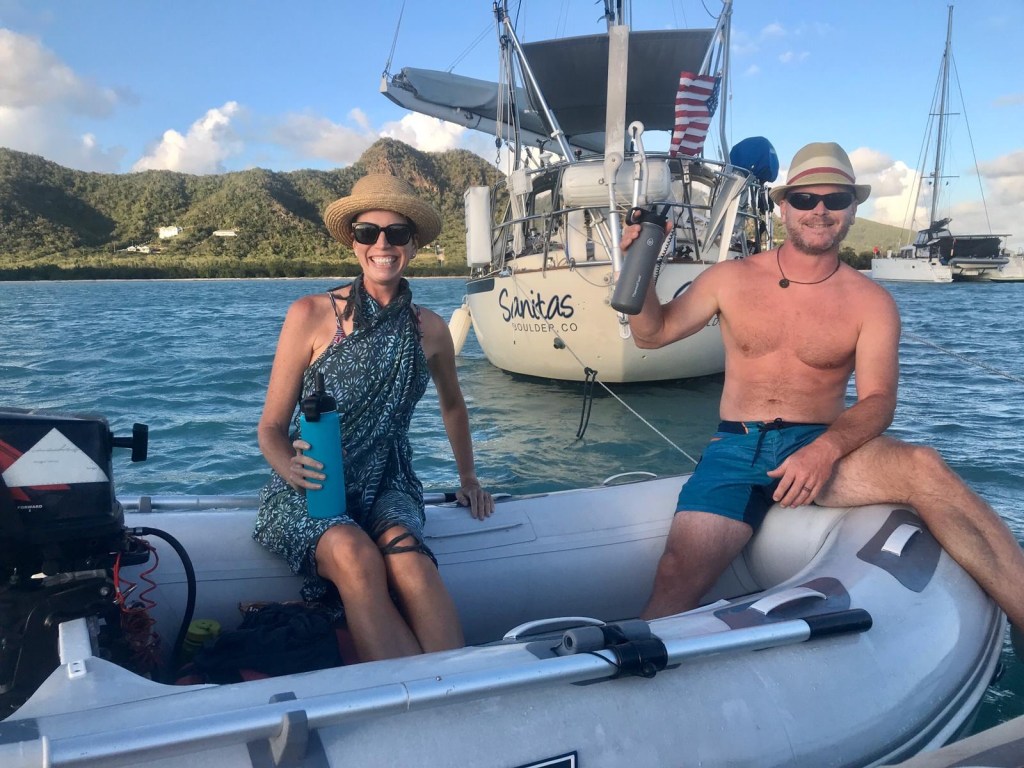
As guests in this country, Capt. Mike and I are very careful to follow the rules. We’re starting a collection of colorful cloth facemasks that cost between 5-10 Eastern Caribbean dollars each (between $1.85 and $3.70 US – (Hey! That’s pretty cheap! Maybe I need another cute one!) We avoid large gatherings, and we bump elbows or mime blowing kisses instead of shaking hands or hugging. That being said, we’ve also got a little sailing bubble of couples who arrived here and quarantined the same time that we did and all tested negative for the virus around the same time. We stay in the same southern bays off the coast of the island, and we trust each other’s precautions.
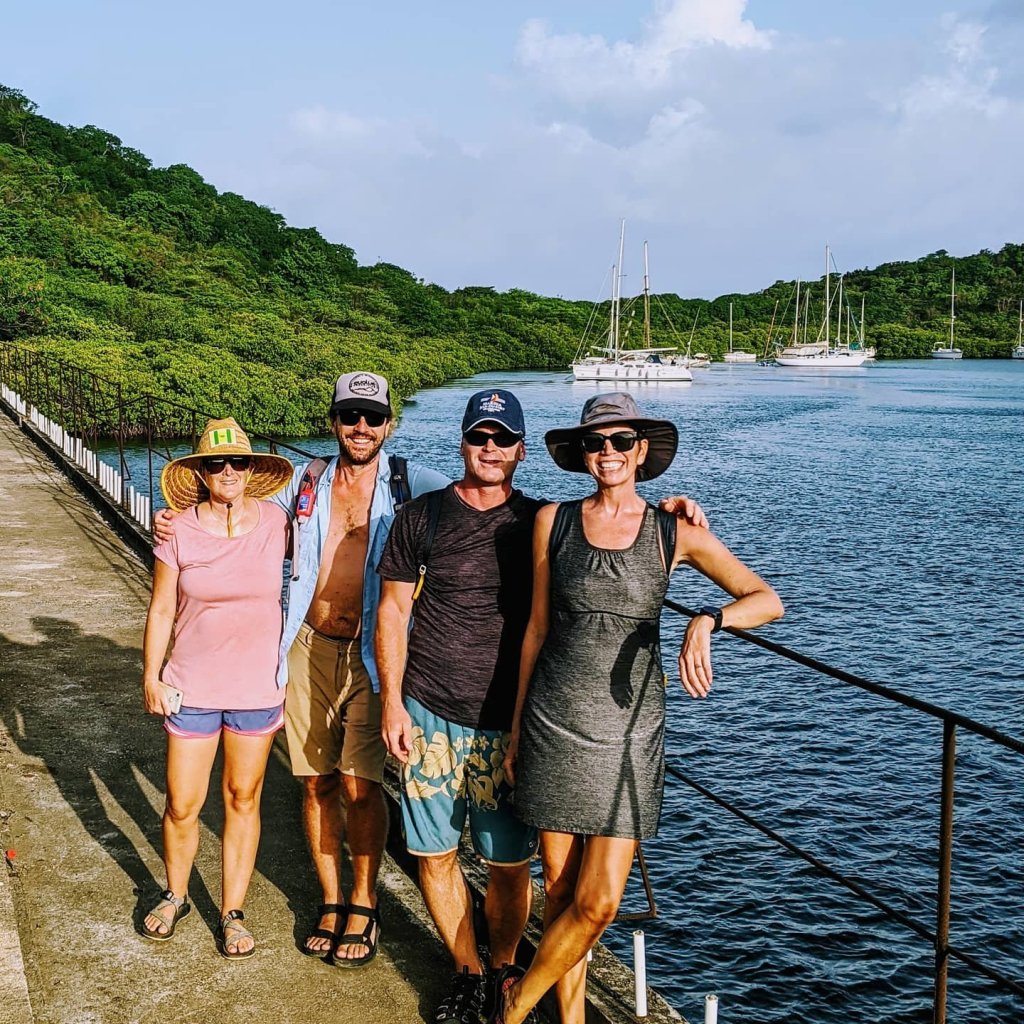
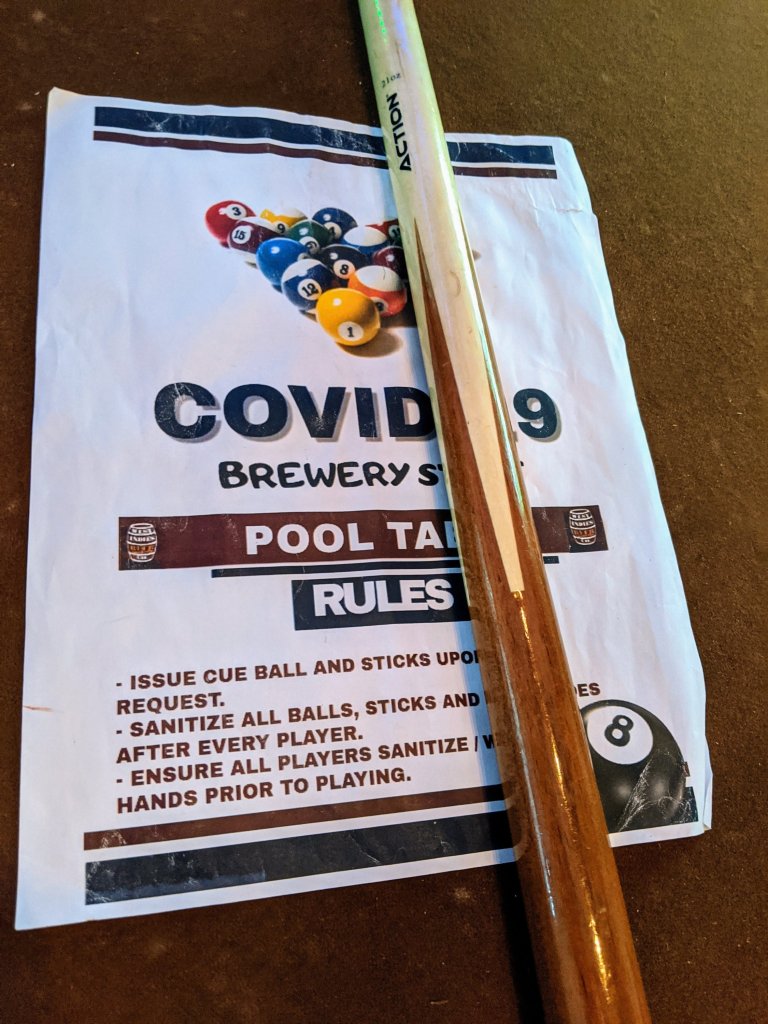
So…. In many of my photos, we aren’t wearing masks. It’s the topics! So almost everything takes place outdoors – with the high temps, high humidity, and sweat that goes along with it! Good thing this blog post isn’t Scratch ‘n’ Sniff! 🤣 And once we’ve entered a bar or restaurant (with the entry restrictions I described above) we can remove our masks at our table or within our group. Or, thank goodness, in the pool! I’ll try to take more pictures of the hand sanitation stations, and social distancing markets on the floor, AND my growing cute mask collection, just to even things out.

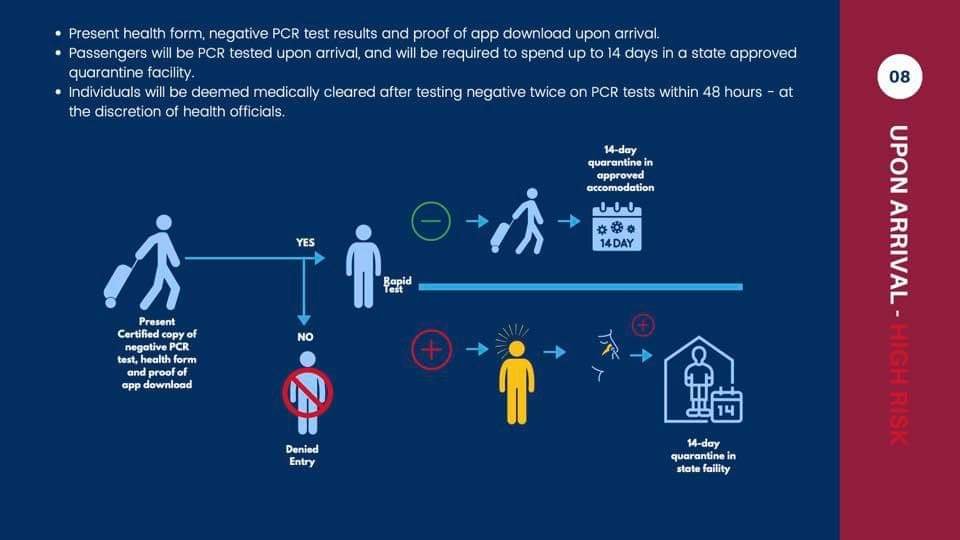
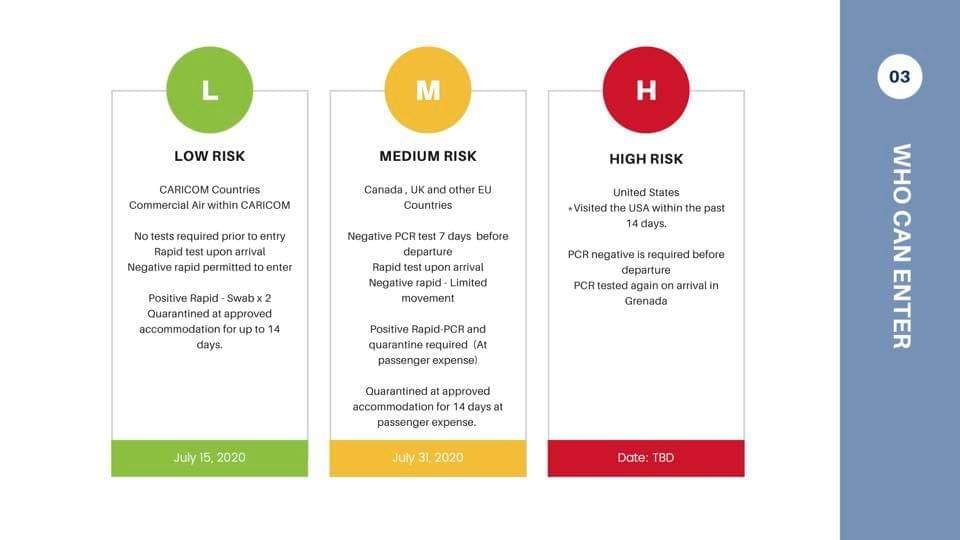
However, the airport is not yet open to international commercial flights. In August, the government plans to allow flights from “medium-risk” countries, such as Canada and the UK. Sometime after that, they’ll open to flights from “high-risk” countries, such as the United States. The entry protocols will require Covid tests and possible quarantine. That’s why we come up with a backup plan, to ensure we could spend the summer here in Grenada if necessary.
Like all of you, we’re playing it by ear this year, and adjusting plans as we go. I hope Grenada, and all of the small Caribbean countries,  can continue to keep their citizens safe. And I also hope I can sail between Caribbean islands next winter instead of staying here indefinitely!
We’re in Quarantine! (Again)

For those following along at home, we’re on our third quarantine of this pandemic, in our third country. This is the strictest one yet: 14 days of quarantine on our sailboat, no trips ashore for any reason (no groceries, no exercise, no essential shopping), no water sports. At the end of the two week quarantine, we’ll take a Covid-19 test and once we pass we’ll finally be free to clear customs and immigration and enter Grenada officially.

So what do we do to pass the time in quarantine? A whole lot of nothing, lol! 😀 I’m not even kidding. We definitely experienced a sort of quarantine malaise…where the priority is simply enduring until it’s over and hopefully surviving with our sanity (and our marriage) intact.

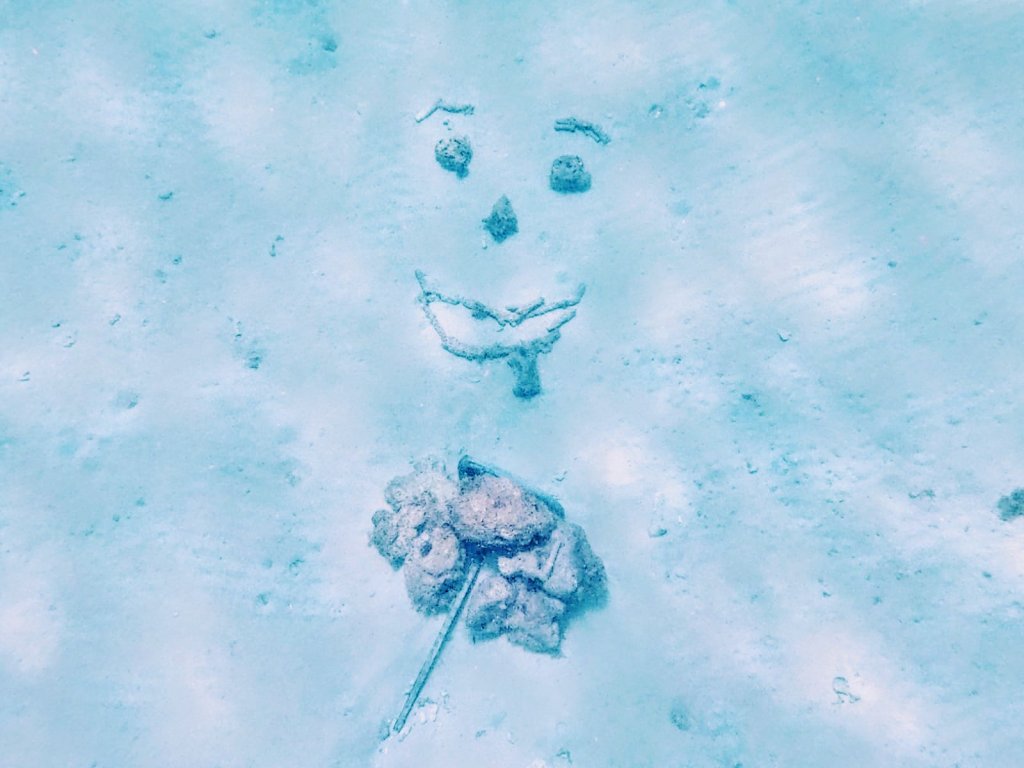
We arrived at the early side of our week’s window. So Capt. Mike stayed fully engaged over the next few days watching new boats arrive, following them on the VHF radio and using binoculars. When a boat attempted to anchor near Sanitas, Mike would pull on his fins and snorkel, jump in the water, and help the new arrivals place the anchor securely in the mix of shallow sand and dead coral. Mango Mike’s Anchoring Service, open for business! For the entire quarantine period, he kept an eye on “his boats” making sure they stayed in place through squalls and wind shifts. We learned a new anchoring technique that they don’t teach you in ASA 101 – pile a few rocks on your anchor to weigh it down. Bonus points for a smiley face.

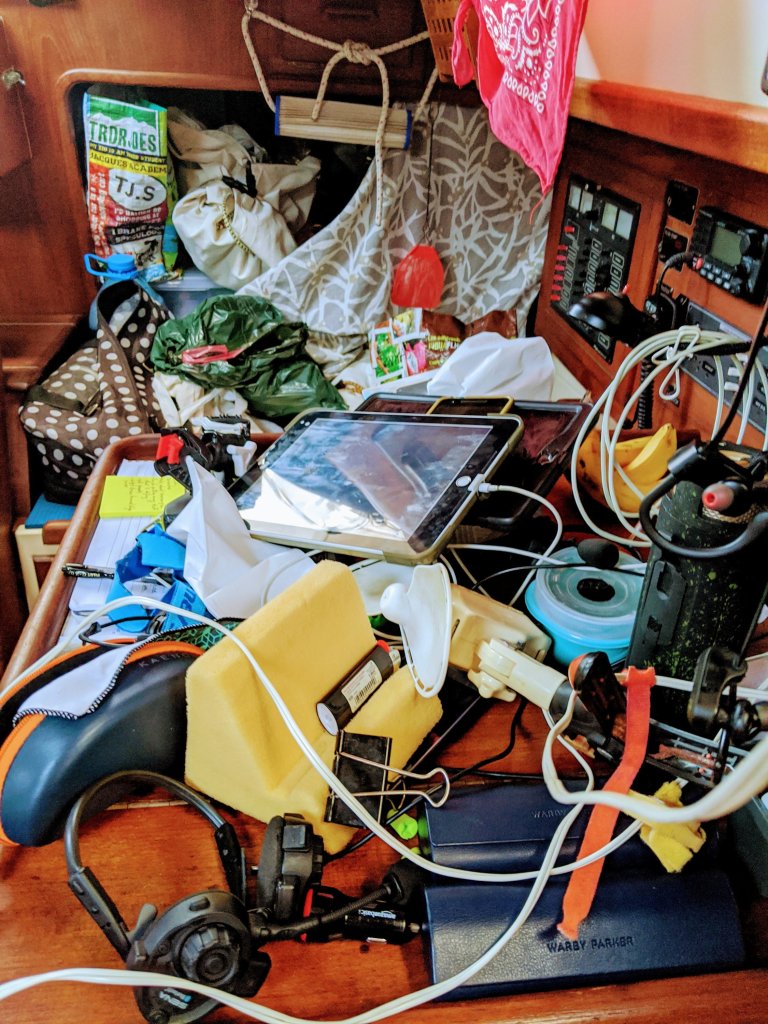
After the rough passage, our salon is always a huge mess, so we killed a day or so airing out the sheets and making everything ship-shape.

And there’s always boat chores! During periods of great motivation we defrosted the fridge, and I cleaned all of the stainless steel on Sanitas’ deck.

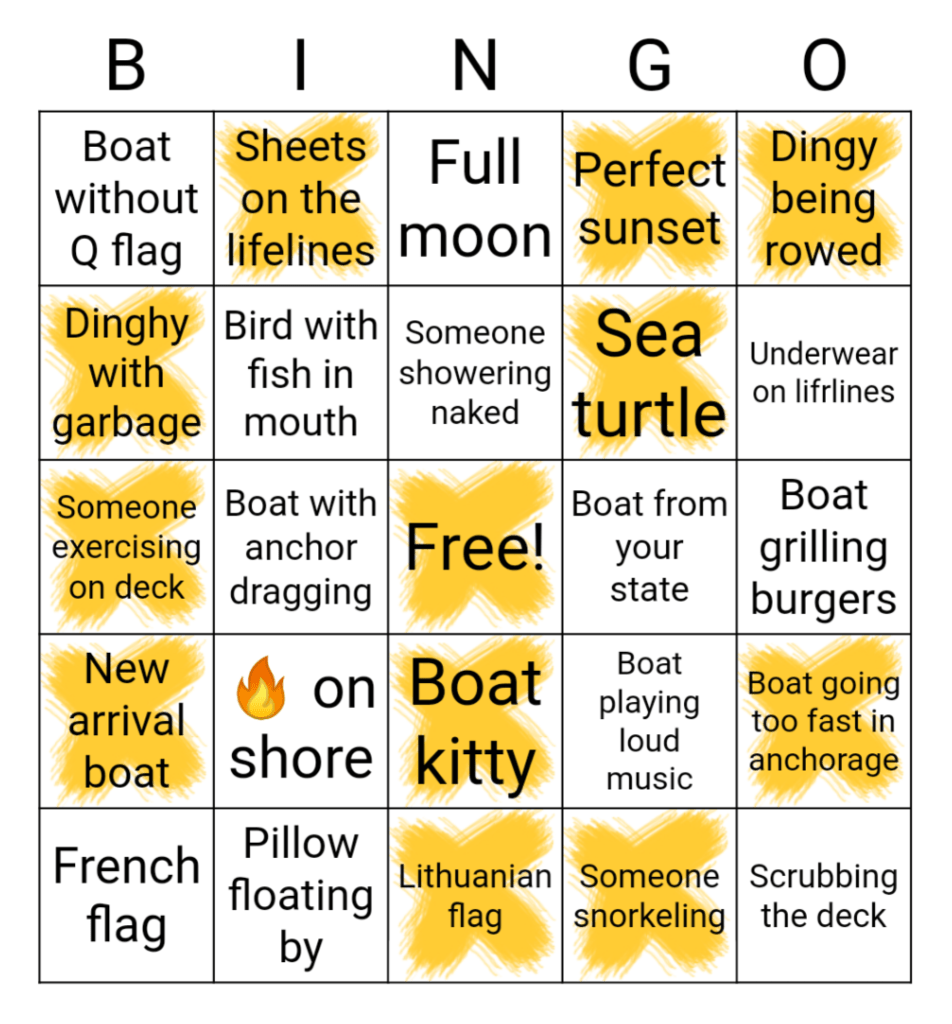
Spirits lagged around Day #5, so we dug deep for entertainment. Three times per week, fellow cruisers took turns hosting trivia over the radio for happy hour. Apparently we need a bigger trivia team – Team Sanitas was lucky to score over 50% One day, I put together a Bingo card for objects we might see around the anchorage and invited every boat within shouting distance to join our WhatsApp group and radio finale. It kept us entertained all afternoon: “Hey! I see someone rowing his dinghy!”, “Is that boat the Coast Guard? Darn, it’s just marina staff”, “Why isn’t anyone exercising on their deck?” At the end of the day, Sanitas was the only team without a BINGO – I’ll have to make it harder next time.

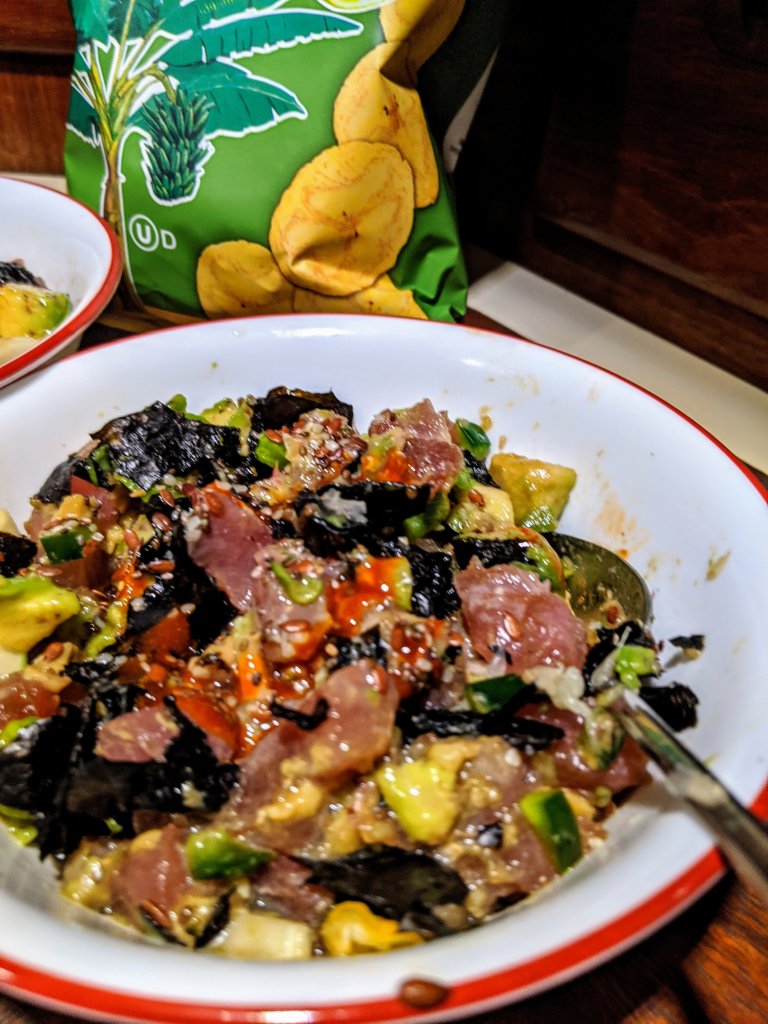
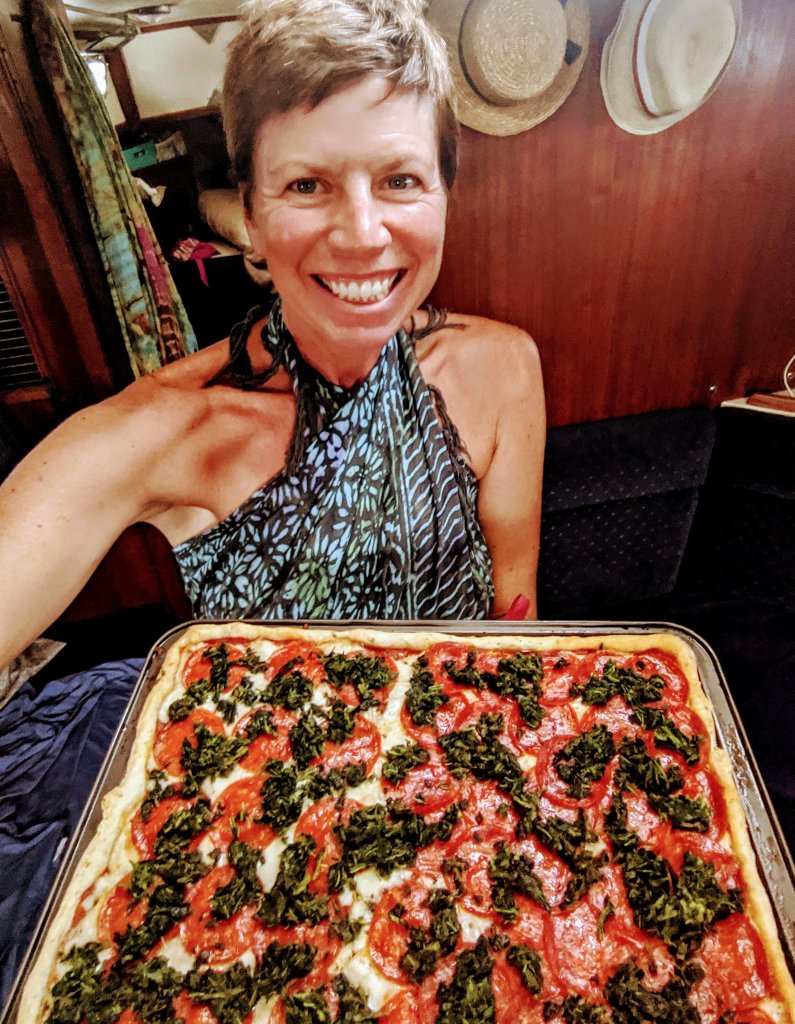
Sometimes I was motivated to cook….

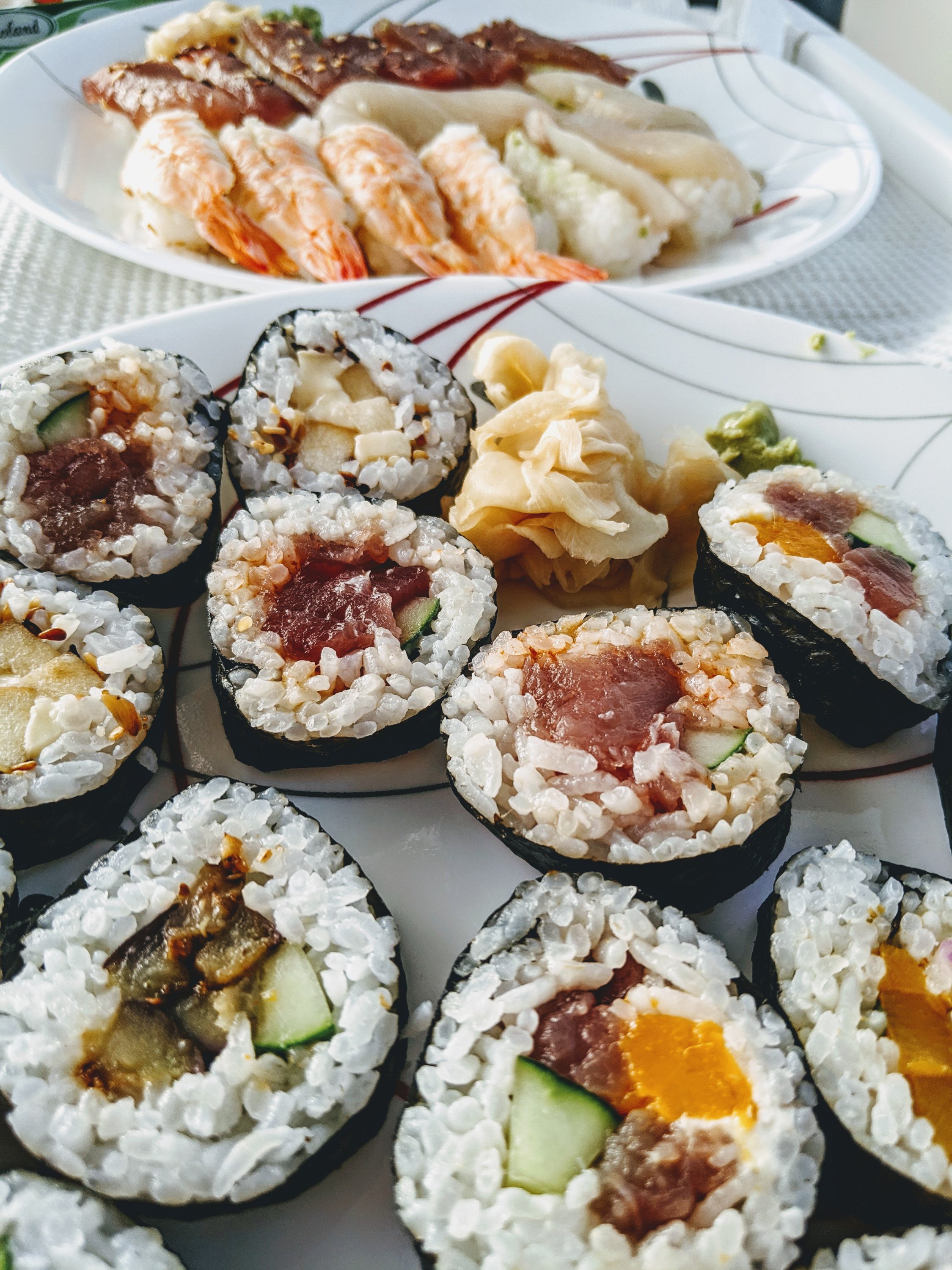
Other times, especially when the temperature hit the mid-90s, I could barely be bothered to prepare cheese and crackers or to add a few sautéed veggies to a carton of soup. One very special Friday, we ordered takeout from Eden Sushi 🍣 with our friends on Holiday and enjoyed a virtual meal together over video chat. The closest marina allows deliveries from approved vendors, but only to the Q dock with all payments made on-line, and masks required, and deliveries only allowed on certain days before 5:00 pm.

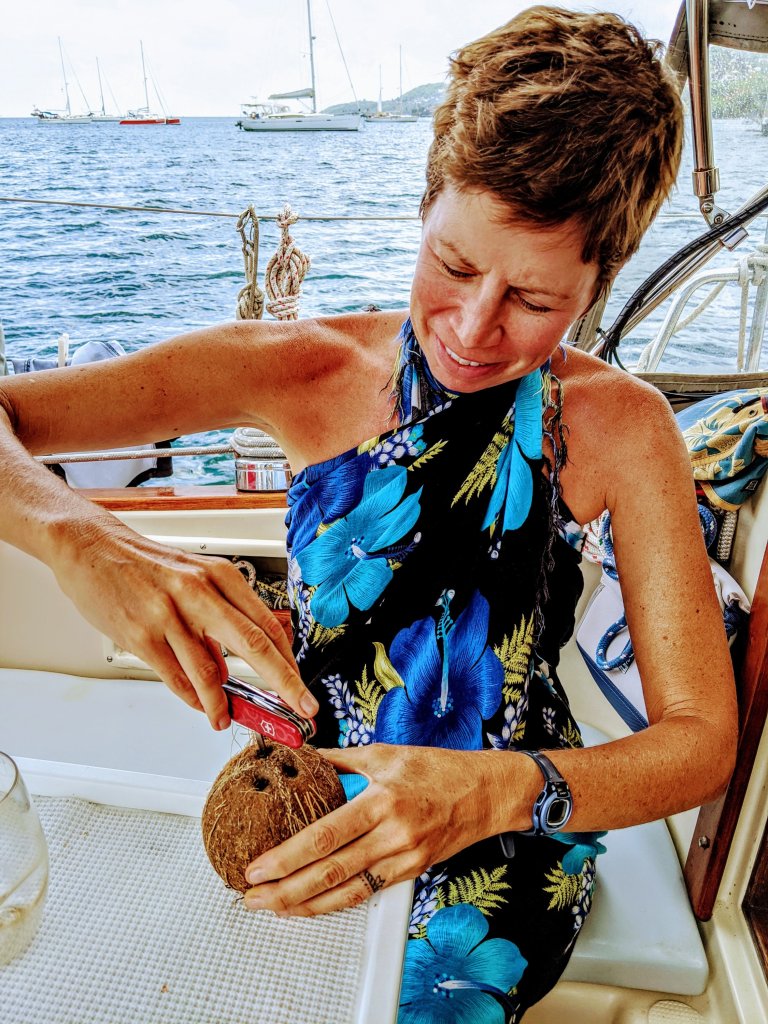
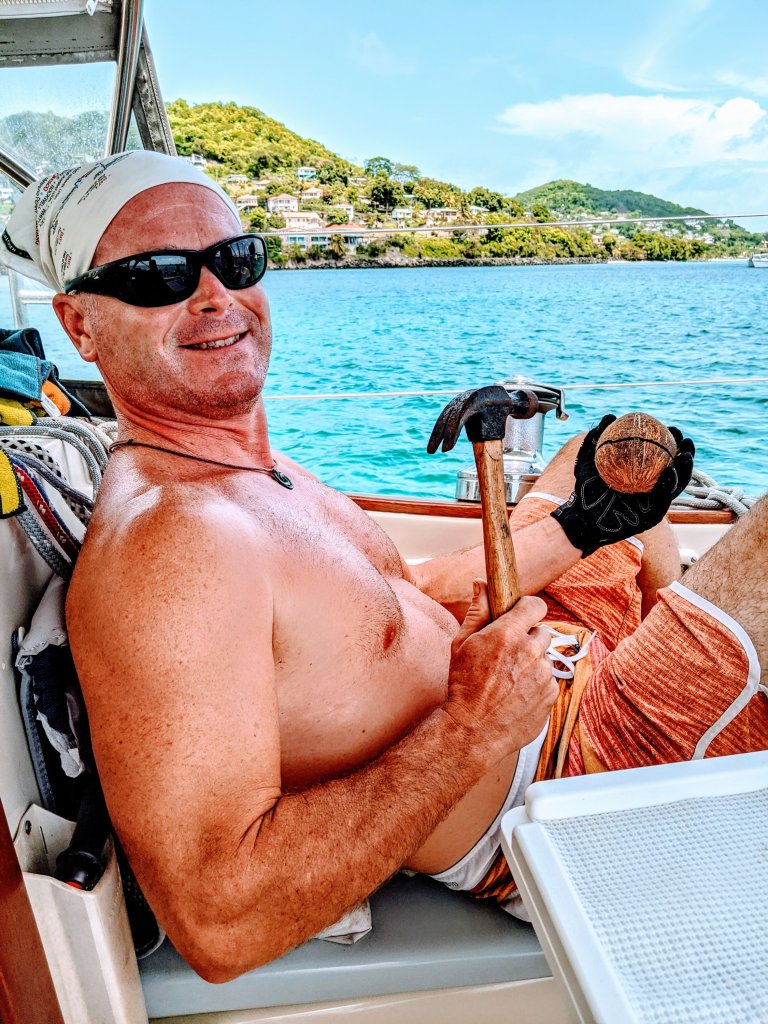
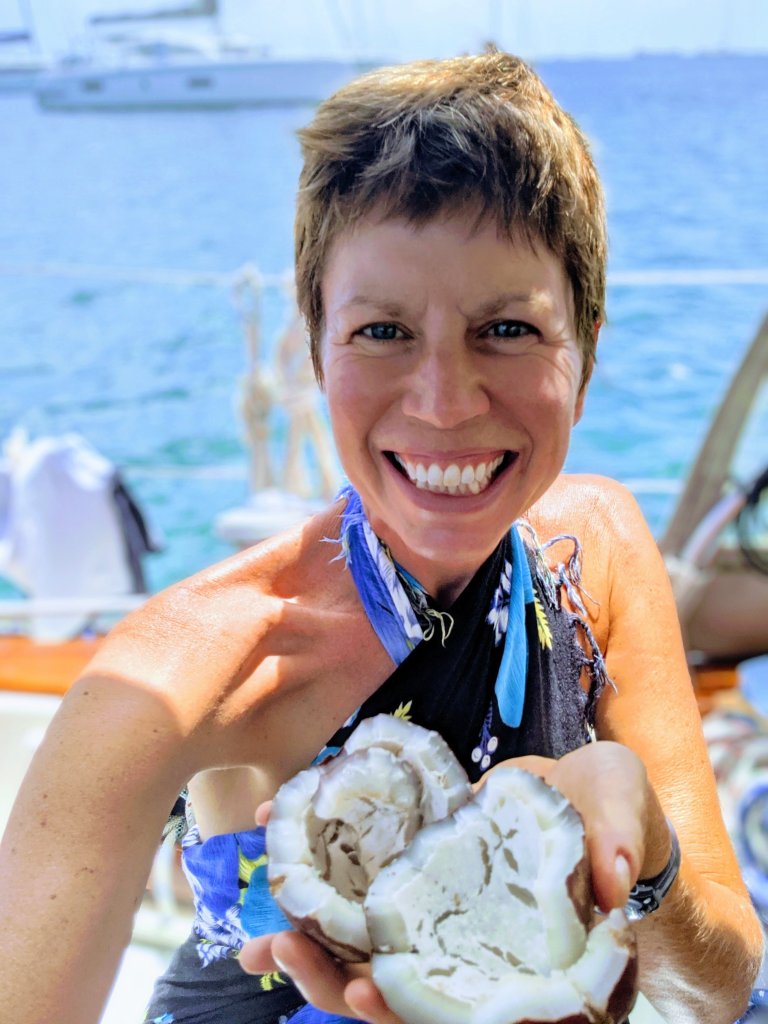
I killed the better part of an entire afternoon trying to open a coconut I bought during our last provisioning trip in Antigua. It’s harder than you’d think!

And we read … and watched Netflix … and listened to podcasts … and played games … you didn’t expect this to be an exciting blog post, did you? I really, really wish we had unlimited wifi!

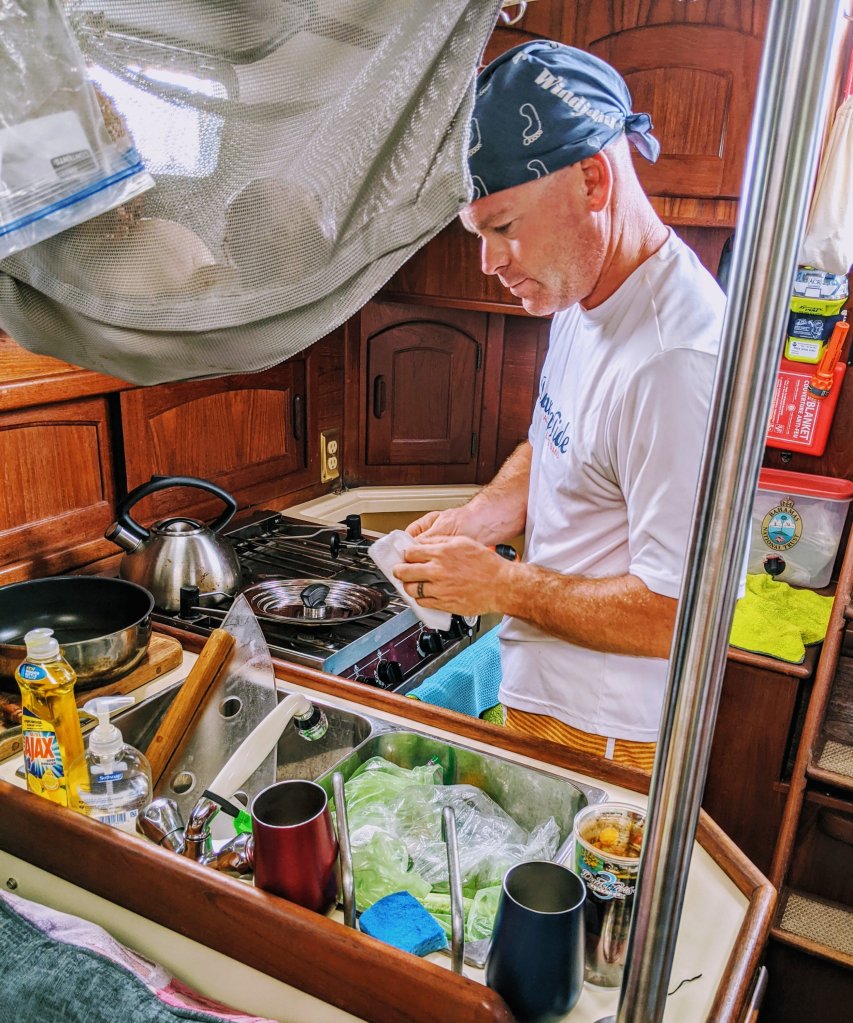
Just this morning, a rogue squall came out of nowhere and wind speeds changed from less than 10 knots to over 40 knots in seconds. You know what they say about long periods of boredom punctuated by moments of sheer terror? I was washing the breakfast dishes and Mike was talking to his mom on the phone when we both had to drop everything. We started the engine (without all of the usual pre-start checks), turned on the anchor windlass, dropped our dinghy Bug in the water before she flew away, and braved torrential rain while making sure that none of the boats whose anchors dragged in the high winds ran into us. Mango Mike’s Anchoring Service had a lot of satisfied customers!

Thanks for following along on this tale of boredom. Good news! Writing this blog post killed most of the afternoon of Day #12. Less than two days to go!

What’s next for the crew of Sanitas?

That’s a great question! When you figure it out, could you let us know? 🤣 Just kidding. Sure, we’ve found a calm spot in Antigua to wait out coronavirus quarantine and curfew. But we can’t stay here forever.

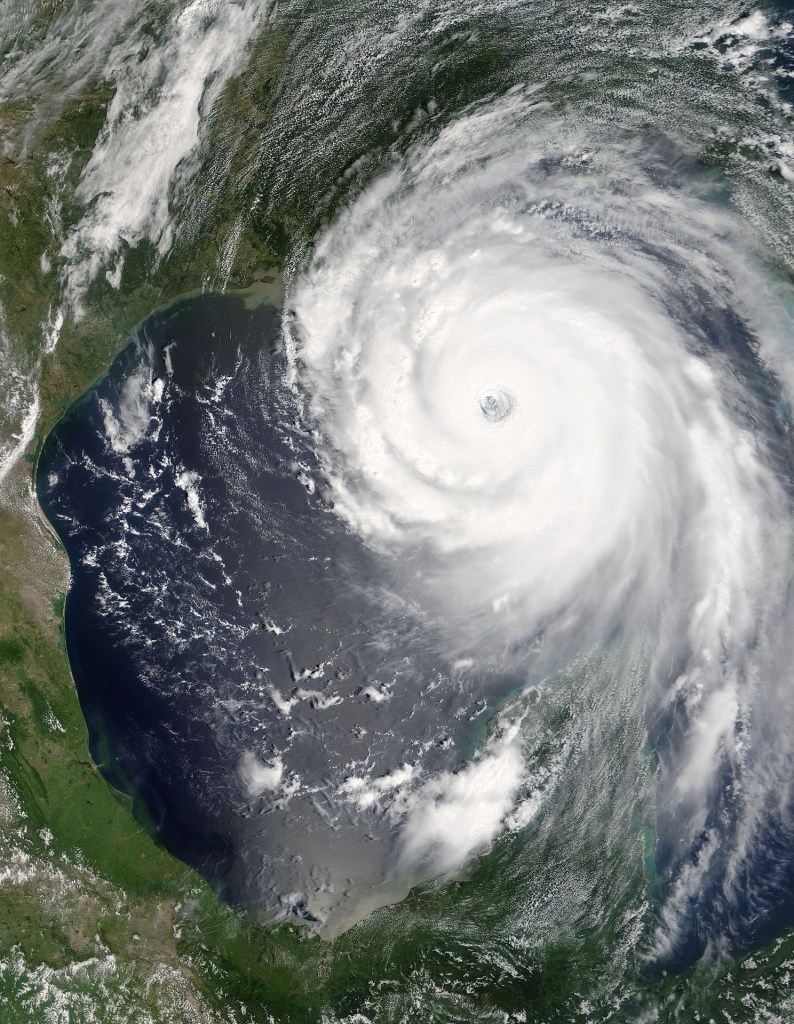
Our 90-day visa expires on 22 June. Even more importantly…HURRICANE SEASON IS COMING! (Say it in your best Robb Stark, Game of Thrones voice). Hurricane season in the Atlantic Ocean and Caribbean Sea officially starts 1 June. But as I write this on May 15th, tropical storm Arthur is already forming between Florida and The Bahamas. Insurance companies usually require boaters to be safely outside the hurricane box during this timeframe, and they define the hurricane box as the area north of St Vincent in the eastern Caribbean and south of the Chesapeake Bay on the US east coast. This doesn’t mean you can’t get a hurricane outside the box, but they are much less common. If your geography is a little bit rusty, Antigua is smack in the middle of that box. 😲 Hundreds, if not thousands, of sailors plan to spend the summer in Grenada or Trinidad in order to get “outside the box”. But with borders closed to prevent the spread of coronavirus, all those boats are stuck in place and chomping at the bit to move south as soon as Caribbean governments allow.

We made a reservation ages ago to store Sanitas in a boatyard in Grenada and we planned to fly back to the USA for the summer. We also put a deposit on a boatyard here in Antigua as a Plan B. But now, like everyone else, all of our summer plans have been canceled. And we don’t know when flights between the Caribbean and the States will resume. If we do make it back to the States, we don’t have a home to go to, and we don’t know when we’d be allowed back to our boat after the visit. A recent study suggests Covid-19 has been contained within the Caribbean, but many countries view visitors from the US as high risk to their health and safety because so many new cases are still being identified there. Heck, what if we do make it “home” this summer and one or both of us gets sick? We sure can’t afford a hospital stay under the US health care system. I don’t think our international medical insurance covers us for Covid-19 treatment if we travel back while State Department “Do Not Travel” warnings are still in place. That alone makes it feels safer to stay in our small island bubble that to get on an airplane back to New York.

The Marine and Yachting Association of Grenada has been working behind the scenes on a proposal to the Grenadian government on how to open the borders to incoming yachts safely while protecting the residents of the country from importing coronavirus. We’ve been waiting impatiently to learn the results, but things are finally looking positive! Over 1100 boats have registered in a database to state that they want to travel to Grenada when borders open. Yesterday, MAYAG posted the first details on the plan. Of course the cruising community was immediately abuzz with excitement. Here’s the plan as we understand it so far….

We had a meeting today with the various authorities in Grenada who we are coordinating with and have agreed on an implementation protocol for arriving yachts. This needs to be approved by cabinet, which will be one of the final steps before we get the go ahead.

  • All yachts intended to come to Grenada need to complete the Maritime Health Declaration Form 48 hours ahead of your scheduled arrival.
  • A designated quarantine area has been set up. The GPS coordinates of this area will be given to you.
  • Quarantine will be 14 days with no shore leave granted and this will be on your yacht in the quarantine area. Provisioning supply chain has been set up for you during this time but we advise provisioning as much as you can before you leave for Grenada.
  • After the quarantine period you will be required to take either a PCR test or a Rapid Test. The cost will be EC$200 for the PCR Test or EC$75 for the Rapid Test. There will be a Statutory Regulation published requiring you to do this. If you object to taking this test then please make alternative arrangements as you will not be able to clear into Grenada.
  • There will be an arrival schedule set up where yachts will book an arrival date and be expected to arrive within 48 – 72 hours of that date. There will be a small admin fee of US$20.

That all sounds pretty reasonable, don’t you think? It’s still gonna be a little bit tricky. If we can’t stop in any countries between Antigua and Grenada, we’re looking at about a 300 nm passage, taking us about three days in good weather conditions. Capt. Mike and I will have to take turns on watch for the entire time – it will be our longest passage so far. I’m sure glad this isn’t our first cruising season! And we’re not really looking forward to another 14-day quarantine on our teeny tiny boat. Especially in the designated quarantine zone which is going to be crowded, rolly, poor anchor holding, and filled with lots of other frustrated and cranky sailors 🤪 But we’ll make the best of it because we also want to ensure that our Grenadian hosts can stay healthy and safe. I guess this is our Plan A for now, and we anxiously await news from Grenada on our scheduled arrival date. I hope we remember how to sail after sitting at anchor for so long! Wish us luck!

Nomad Life in the Time of Corinavirus

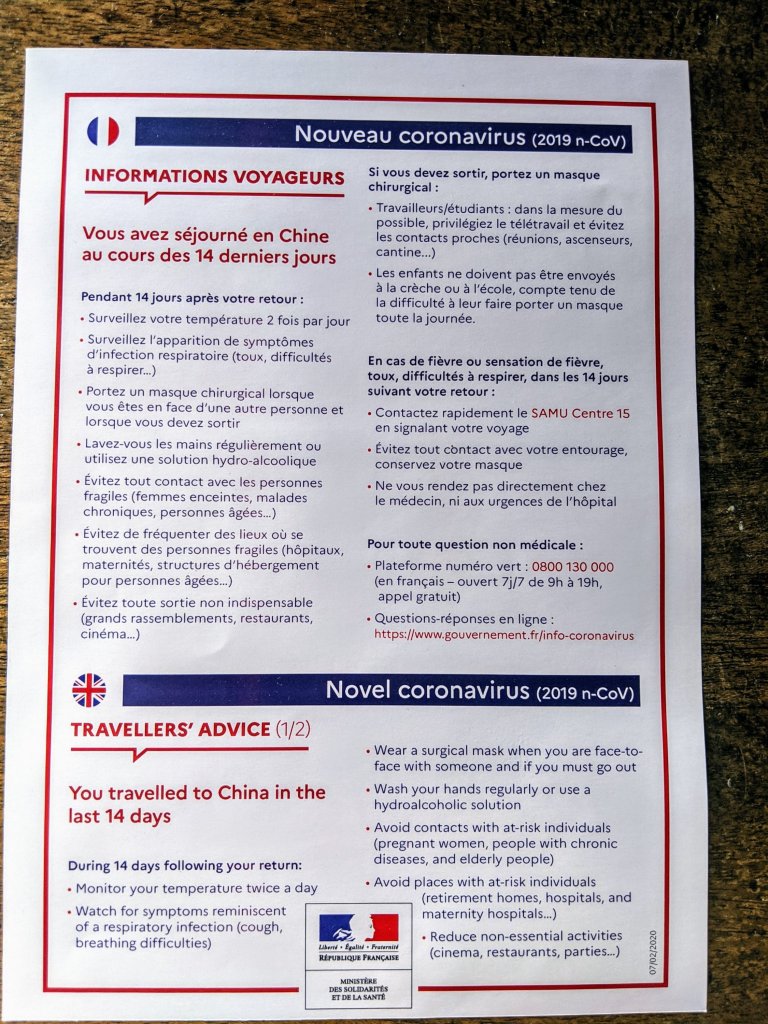
Several folks have reached out and asked if Capt. Mike and I are ok with all the Covid-19 stuff going on. Well… So far, so good. Sanitas is currently in the French overseas territory of Guadeloupe which at the time of writing had one confirmed case of the Corona virus. So, more than West Virginia, but less than most other regions. 😉

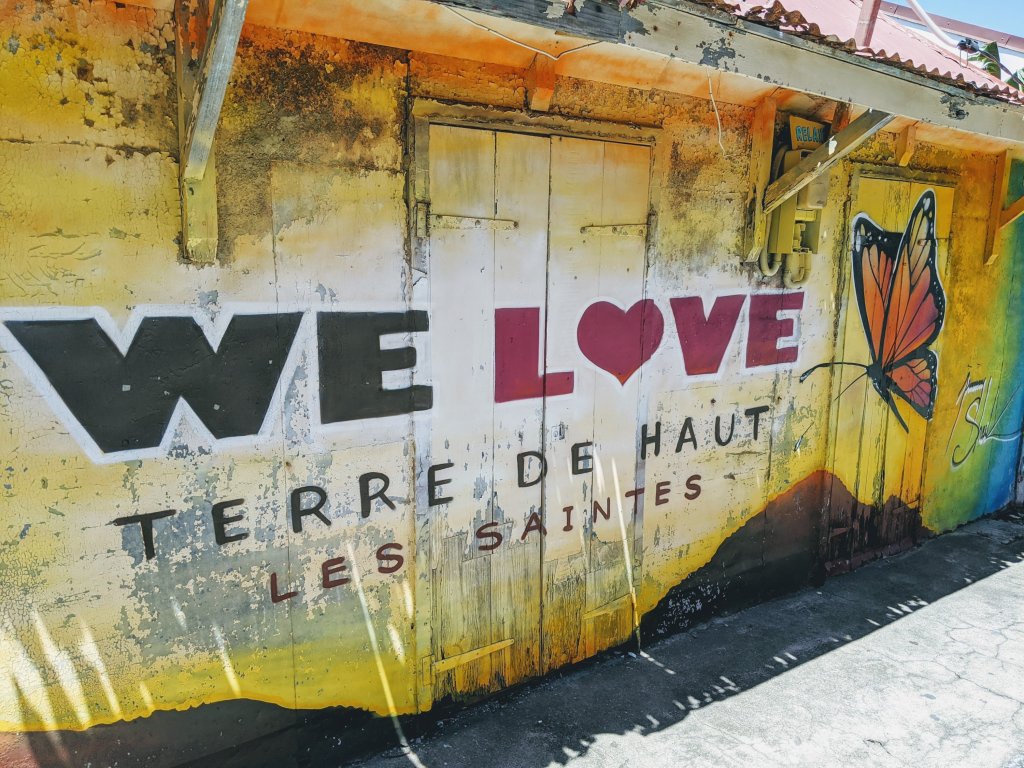
Last night at midnight, France directed that all bars, restaurants, and non-essential businesses must close in order to stop the spread of the virus, so I wasn’t sure what to expect when I dingied ashore to the small town of Terre de Haut this morning. But, surreal as it seemed, things were pretty much the same as usual. Restaurants were open, ferries were running, the sun was shining. The small grocery store (about the size of a 7-11) was quite busy. But they always are on Sunday mornings when most shops close at noon. There was plenty of toilet paper on the shelves, and I found everything on my list – even fresh veggies and eggs. I did see two women great each other with the usual French kiss on both cheeks. And then they threw up their hands and looked a bit sheepish and tapped the toes of their right feet together instead. People aren’t freaking out here like they are in the States. Or… Maybe they are but because I don’t speak French, I’m missing it all.

Mike and are feel like we’re in pretty good shape on little old Sanitas. We went grocery shopping in the big supermarket in Point-a-Pitre a few days ago, so we have lots of French cheese and fresh veggies. And when that runs out, the bilge is full of canned goods, nuts, gluten free noodles, and energy bars. We have full water tanks and diesel, and our solar panels are working great.

That’s not so say we aren’t watching what’s happening and taking precautions though. We wash our hands a lot – and certainly every time we return to the boat. I belong to several sailing and cruising Facebook groups that share information on each island’s travel restrictions and entry procedures. I guess that’s our biggest concern right now – what if every island closes its borders to everyone except residents? Where will we go then? What if cargo ships stop sailing and the grocery stores DO get empty? What if we run out of propane for our cook stove? I checked today, and we can stay in Guadeloupe for 90 days without a visa, so I think we’ll sit tight and wait to see what happens. Our hurricane season plans call for us to haul out in Grenada for the summer on 1 July. Hopefully things improve by then, and if we really have to, we could sail straight to Grenada without stopping in less than 48 hours. We could also self-quarantine at anchor for 14 days if Grenada requires it. Although Mike and I would REALLY get on each other’s nerves by that time! 🤪 Imagine being stuck with your spouse for 14 days in a space the size of your master bathroom!

For now, we’re in a small, quiet place, with relatively few people. The weather is good. We’ve got plenty of food, water, and medicine. If everything shuts down, we can still swim and go for walks. It only costs 11€ per day to stay on a mooring ball. The main island of Guadeloupe is only a 4-hour sail away if we need more provisions or medical care. Right now, it feels like the right decision to stay put and see what happens. Which is pretty much all anyone can do, right? Now if only I had more books and a slightly bigger boat!

A rhum tour of Guadeloupe

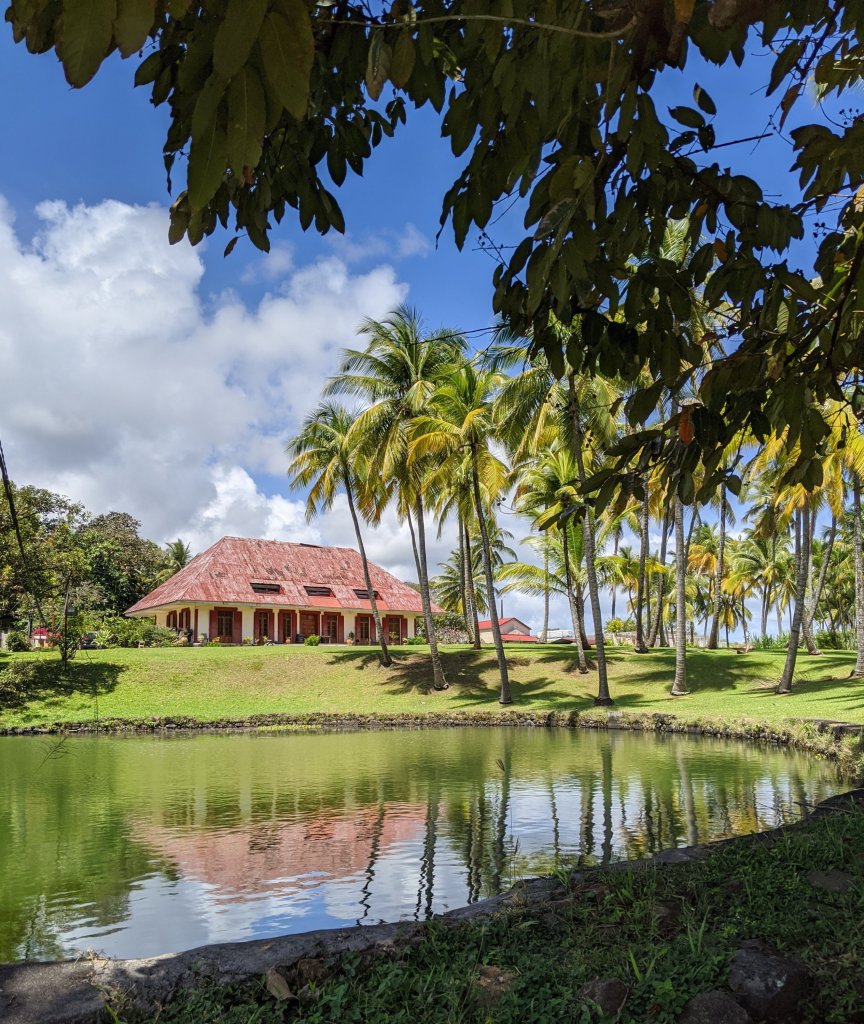
The island of Guadalupe is famous for producing rhum agricole – which is rhum (with an h) produced from the juice of sugar cane, as opposed to rum (without an h) made from molasses. It’s famous around the world, and extremely popular in its parent country of France. So when Capt Mike and I rented a car from the marina in Point-a-Pitre, the first stops on our island tour were at distilleries. Literally our first stops! All the rhum distilleries are only open until lunch time, so you have to be willing to stiffen your spine and go rhum tasting in the morning.

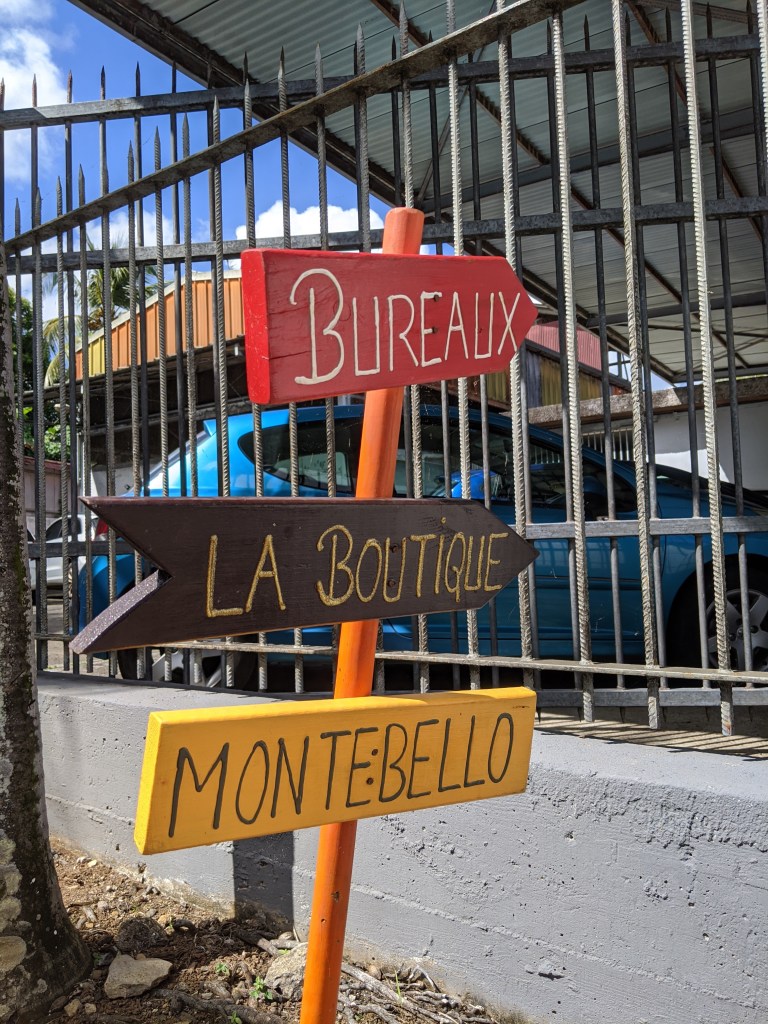
First stop was the boutique family-owned distillery Montebello. Unfortunately, there were no tours being offered the day we visited, because all of the machines were up and running, making rhum, and it wasn’t considered safe for visitors inside the factory. Drat! But we were encouraged to pour our own samples of several young (white) rhums and vieux (aged) rhums, as well as fun fruit flavored rhum punches. We got chatting with the young man working the shop and learned he’s a member of the only punk rock band in Guadeloupe, The Bolokos. They filmed a video in the distillery and released a special commorative rhum bottle with cute little cartoon punk rockers on the lable 🤪 He called up the video on the shop’s computer and let us watch their signature anthem “We drink white rhum”. Super fun – and if we’d still been in the area on Friday night, we’d definitely have attended their gig in the next town over. But as it was, we just bought a bottle of 4-year aged rhum and continued on our tour.

The Bolokos video – We Drink White Rhum

Next stop: the larger and more commercial Distillery Longeuteau. The man in the shop said he speaks a little English, but the tour would only be in French. When I said that  I didn’t think I wanted to pay 8€ for the tour in French, he put a finger to his lips to show it was our little secret, and handed me two tour entry tickets for free. I’m so glad we did it! Here, the machinery was also running, but apparently Longeuteau doesn’t consider it dangerous to give tours – at least not if they’d lose 8€ per person, lol. Mike kept saying, “they’d never let us get this close in the US!” A very nice gentleman from Toulouse France offered to help translate for us, and really made the whole tour more enjoyable.

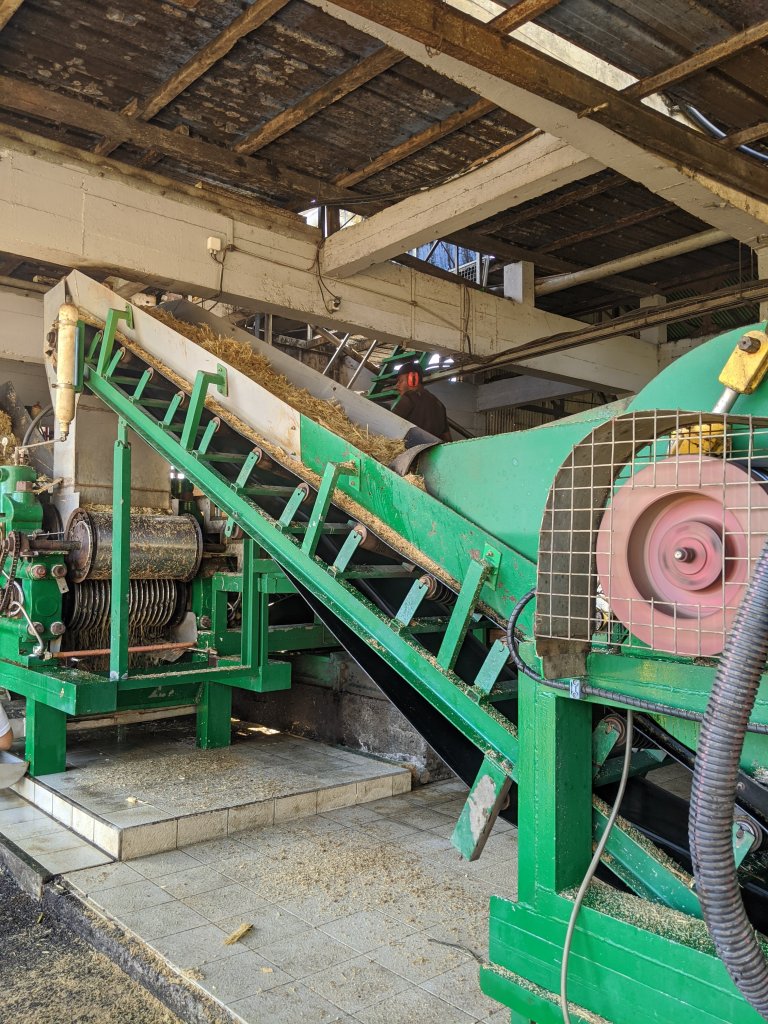
Step 1: Juicing the sugar cane – A big front end bucket loader scoops up a massive amount of red sugar cane chunks and dumps it into a hopper that starts a series of conveyor belts, crushers, and presses. The end result is a gush of cloudy yellowish liquid. This part really didn’t seem Heath and Safety endorsed. In fact, a French couple finished taking their photos and stepped side just before – plop – a small avalanche of spent sugar cane fiber landed right where they’d been standing 😁

Step 2 – Fermentation – The cane juice spends several days in big open fermentation tanks building a thick froth of bubbles. It doesn’t even need to be stirred; the fermentation is so active, that the cane juice bubbles and mixes and churns automatically.

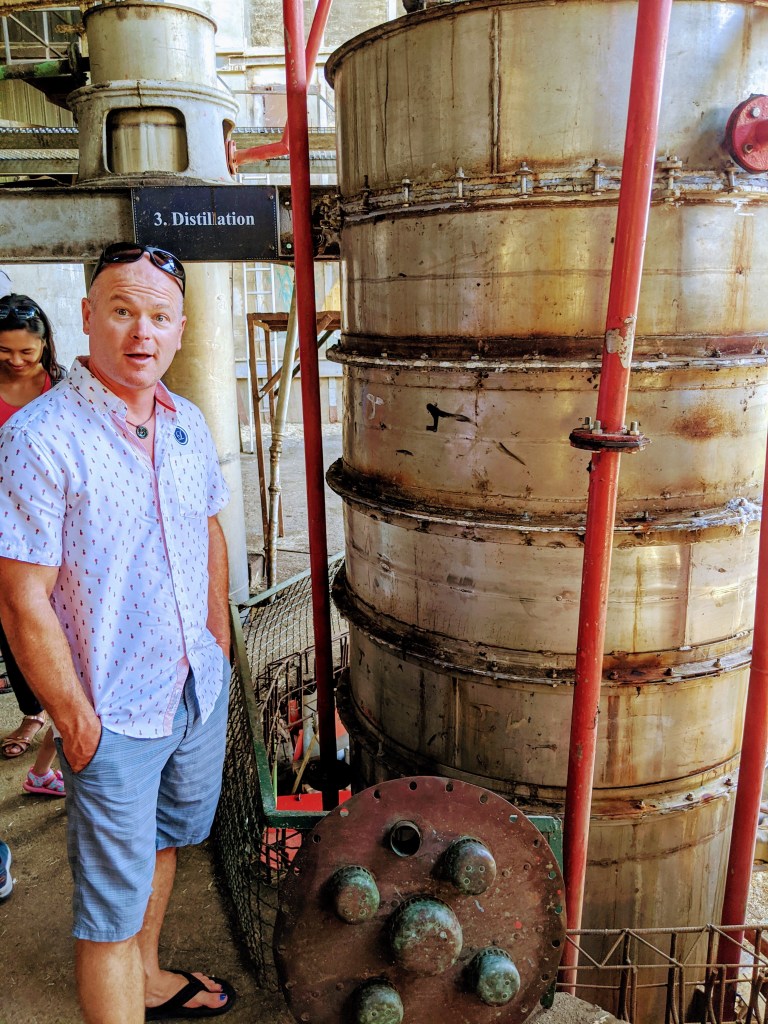
Step 3 – Distillation – Fermented cane juice is pumped to the still where the vapor from the distillation process is now high in alcohol content. The distilled alcohol exits the still at about 80% alcohol – which is not as delightful as it sounds. Our guide poured a generous dose of pure cane distillate into our cupped palms and urged us to breathe the fumes in though our noses and to sort of huff the fumes by breathing into our mouths. I definitely felt it in the back of my throat! Then he gave us a smaller pour to taste. Nothing even slightly resembling the sweet delicious aged rhum it could eventually turn into! He urged us to rub our palms back and forth to dry our hands until hardly a trace of smell or stickiness remained. If I run out of hand sanitizer, a bottle of pure sugar cane alcohol would certainly do in a pinch!

Step 4 – Aging – The pure distillate is diluted to about XXX proof and then aged briefly in steel tanks for white rhum, or at least 4 years in oak barrels for vieux (aged) golden brown rhum. Punch is also very popular. You can buy a bottle of fruit flavors, spices, and rhum that’s ready to pour over ice and enjoy. My favorite punches are coconut or passion fruit. (I’m kookoo for coco punch 🤣)

Speaking of punch, I wanted to thank the French gentleman for translating for us and making our tour so much more enjoyable. So I practiced in my head how to tell him (in French) that I wanted to give him a thank you gift and to ask which kind of punch he preferred. He really seemed to appreciate the gesture – and the bottle of Planteur Punch. I thought I’d end this post by leaving you with the recipe for a ti punch. You’re welcome!

Ti Punch

  • 2 oz of white rhum agricole
  • 1/2 tsp of turbinado sugar
  • 1 lime wedge

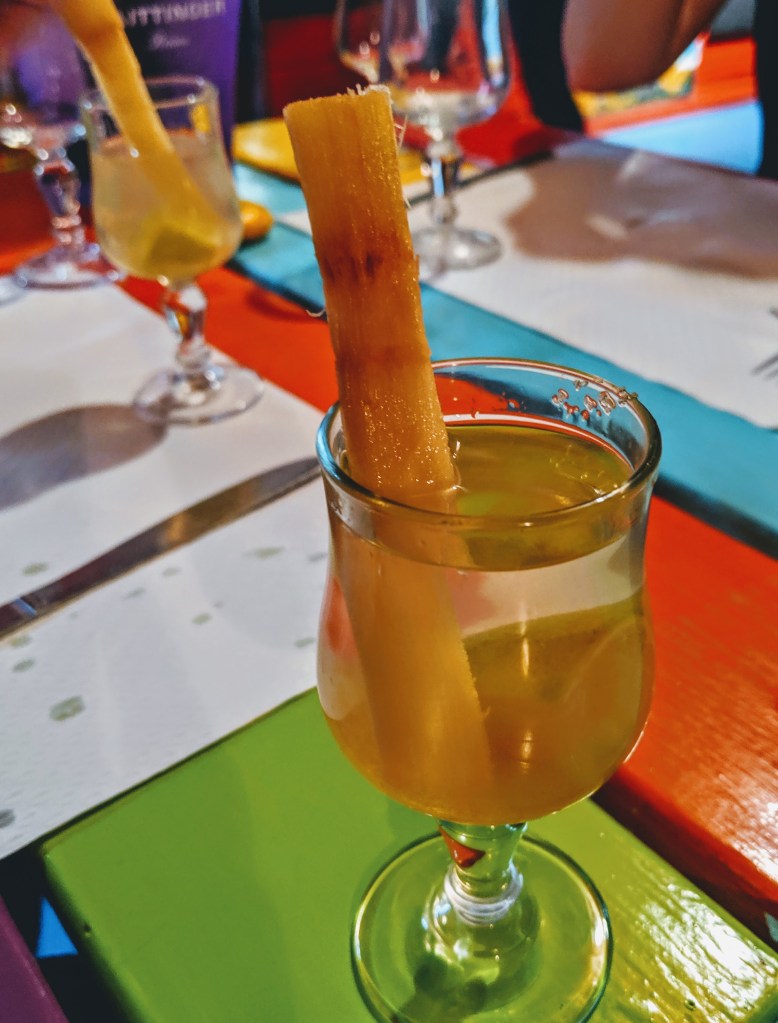
Use a small spoon to muddle the lime into the sugar in the bottom of a short glass. Add the rhum, stir, and serve. I prefer mine with a couple of ice cubes. For variations, use a stick of sugar cane or cane syrup instead of sugar. That’s all there is to it!